Alpha-gal is in the headlines. It’s no superhero
Ticks, at least here in New England, are synonymous with summer. And now that summer is in full swing, so is the need to be vigilant. The current tick forecast is of particular concern because of a tick-derived syndrome that’s making the rounds: alpha-gal.
Read more Is Beacon Hill thinking about nixing single-family zoning?
Alpha-gal, or α-Gal, is short for galactose-α-1,3-galactose. Gal stands for “galactose,” a type of sugar. Alpha (α) refers to the type of chemical bond linking the two galactose sugars. Most mammals, except for humans, apes and some primates, produce alpha-gal sugars, which coat cells. A gene mutation long ago caused humans to stop producing alpha-gal. Because we do not make alpha-gal, our immune system may think this little molecule is a foreign invader and mount an attack against it.
So, alpha-gal syndrome, unlike Lyme disease, is an allergic reaction that flares up when a person with the allergy eats meat from a mammal. The allergic reaction can be mild or severe, occasionally even life threatening, as this man discovered. People notice symptoms two to six hours after eating beef, pork, deer, goat, moose or other mammal meat, which have high amounts of the sugar.
Milk, ice cream, cheese, yogurt and other dairy products might also cause a reaction, although many people with an alpha-gal allergy can eat dairy. Poultry, fish and seafood do not contain alpha-gal, so eating these foods does not trigger an allergic reaction. Cooking meat at high temperatures does not affect the alpha-gal molecule.
Ordinarily, our digestive system treats alpha-gal in mammal meat as food. But ticks alter the equation. Ticks have barbed mouthparts for feeding on the blood of land animals (including humans!), and their nutrition comes solely from blood. To complete their blood meal, ticks can remain attached, injecting their saliva, for several days without the host feeling much at all. Their saliva contains anti-clotting, anti-inflammatory and anti-pain components, which minimize pain, itching and swelling at the bite site.
When the lone star tick (Amblyomma americanum) bites a human, it inserts its mouthparts into the skin and feeds from a tiny pool of blood and damaged tissue beneath the skin. For hours or days, this process transfers saliva containing alpha-gal into the person’s body, and the immune system responds by producing antibodies against it. In some people, the antibodies cause an allergic reaction the next time food containing alpha-gal is eaten.
Massachusetts began requiring doctors and laboratories to report alpha-gal diagnoses and positive alpha-gal blood tests in April 2026, but there are not yet any publicly released totals. Chris Baer of Oak Bluffs reports that lone star ticks invaded his neighborhood about two years ago, and he removes lone star ticks from his body almost daily. So far, he has no symptoms, but he knows many people who have developed the allergy.
Read more Campaign 2026: Mbah, Oates and Ruseau vie to replace Barber
Here’s what else to know about the alpha-gal allergy:
Where are lone star ticks? They are in Massachusetts, especially on Cape Cod, Martha’s Vineyard and Nantucket, where they are spreading northward. Occasionally they have been found in Greater Boston, but so far most of those ticks probably hitched a ride from the Cape.
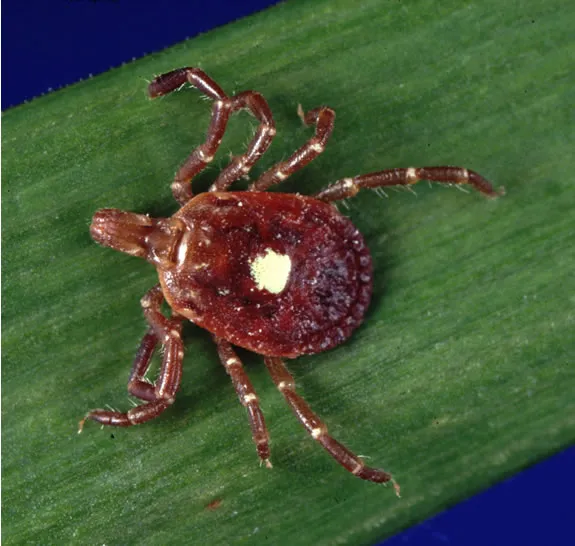
What do lone star ticks look like? The adult female is the easiest to recognize because she has a white spot on her back, the lone star, which gives the tick its name. (Texas may be the Lone Star state but these ticks did not originate in Texas. They are common throughout the northeast, south and midwest.) Adult lone star ticks are usually larger than deer ticks but smaller than dog ticks. The young ticks (nymphs) are the size of a poppy seed and difficult to spot. Although adult lone star ticks are less than ¼ inch when unfed, an engorged tick can be almost as large as a raisin. They also change from reddish to grayish when engorged.
How can you prevent tick bites? The best way to prevent bites is to use insect repellent when you walk in grassy or wooded areas. Ticks can be active in Massachusetts any time temperatures are above freezing. I sprayed my shoes, socks and legs with DEET-containing repellent when I hiked last weekend (and came out tick-less). You can also spray permethrin on your clothes, but do not spray it on your skin. Conduct regular tick checks. If you find one on your body, remove it by pulling it straight out.
What happens if I spot a bite? When a deer tick bites you, the CDC and the FDA both say that the tick must be attached for 24 hours before it transmits Lyme disease, so prompt removal reduces the risk. Alpha-gal sensitization works differently: no minimum attachment time guarantees you will not develop an alpha-gal allergy.
What is the alpha-gal allergic reaction like? The reaction can cause hives or an itchy rash. It can cause heartburn, indigestion, stomach pain, nausea or diarrhea. It can cause swelling of the lips, throat, tongue or eyelids. It can also cause extremely serious symptoms like a drop in blood pressure, dizziness, fainting, shortness of breath, coughing or difficulty breathing.
However, don’t let the fear of ticks lessen your enjoyment of summer or the outdoors. Take precautions. Stay vigilant. And have fun.
Read more Somerville mayor says Theatre needs to be part of Davis Square’s future

Related Posts
These are Massachusetts geese now

How to survive a nor’easter if you are not human