Wild Things
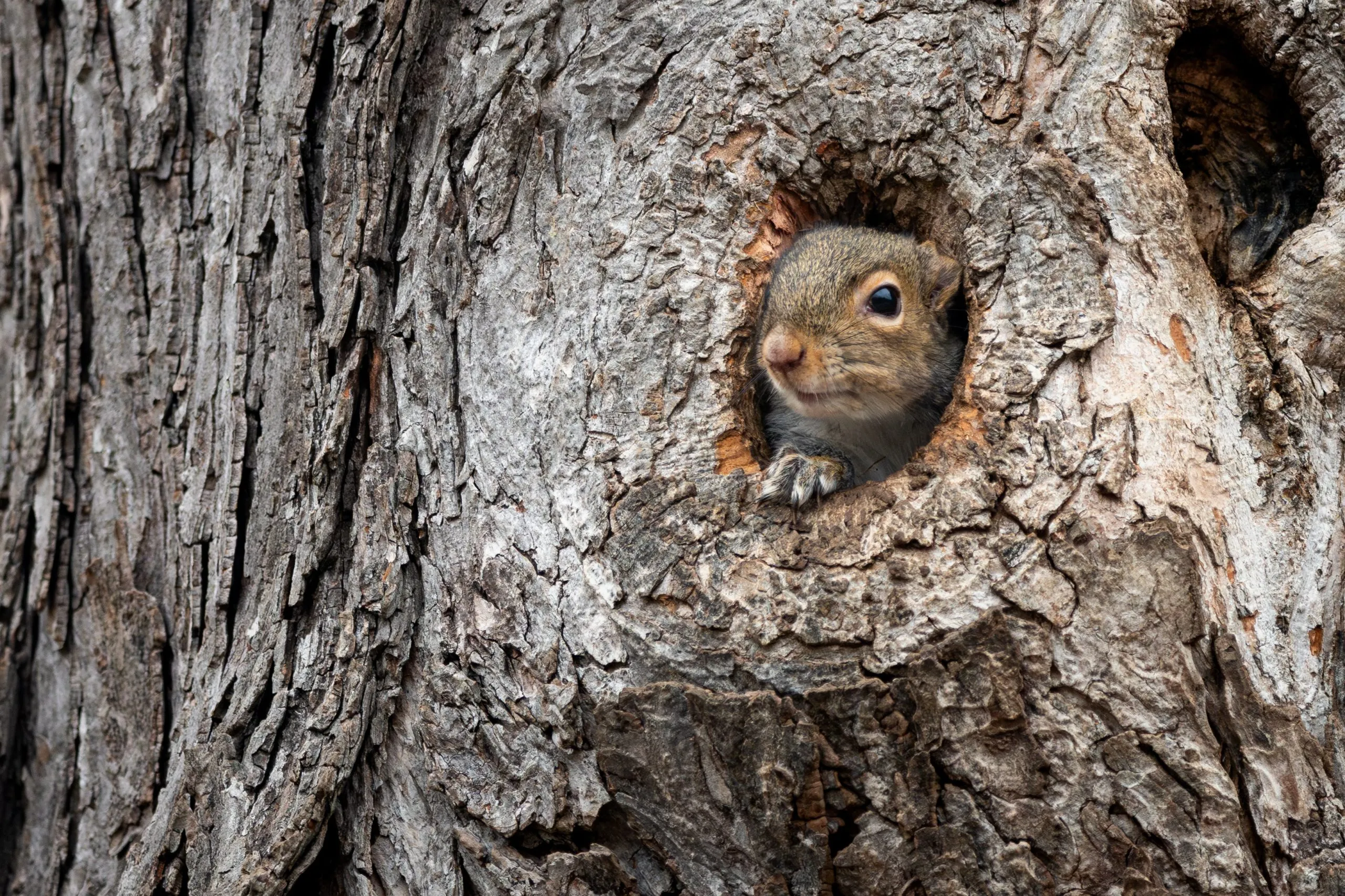
How to survive a nor’easter if you are not human
That early fall nor’easter we had recently brought up the question: How did critters survive days of wind and rain? Read more Honk! Festival celebrates 21 years of street band activism with photo exhibit in Somerville Consider some of the creatures we frequently encounter in our neighborhoods: the birds in our trees and at our […]
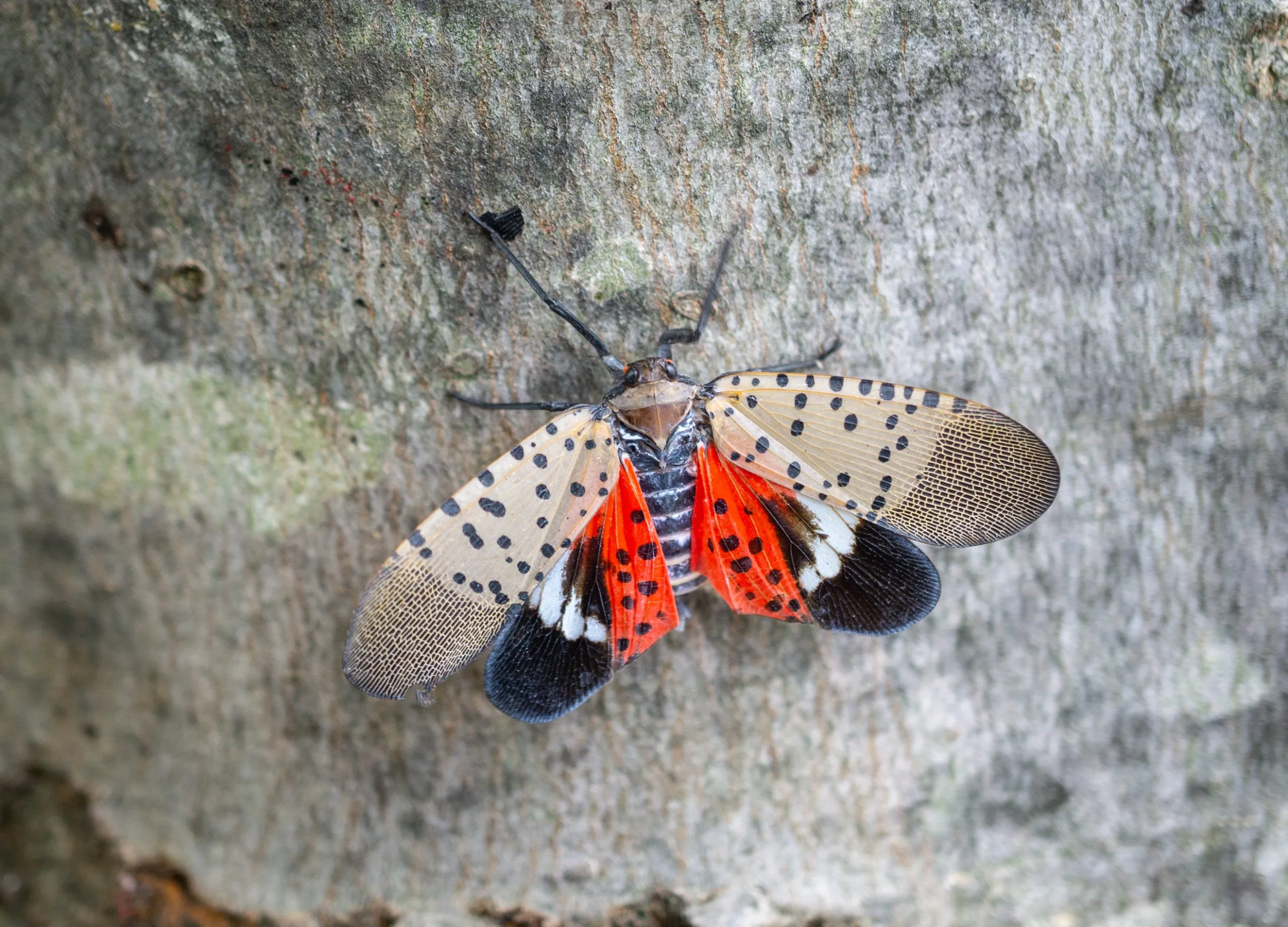
The spotted lanternfly, an invasive pest
As I was riding my bike the other day, I spotted an insect on the pavement. Not wanting to harm it, I swerved around it, but as I did so, I realized that the insect looked a lot like a spotted lanternfly. I turned around, went back, confirmed that it was indeed a spotted lanternfly, […]
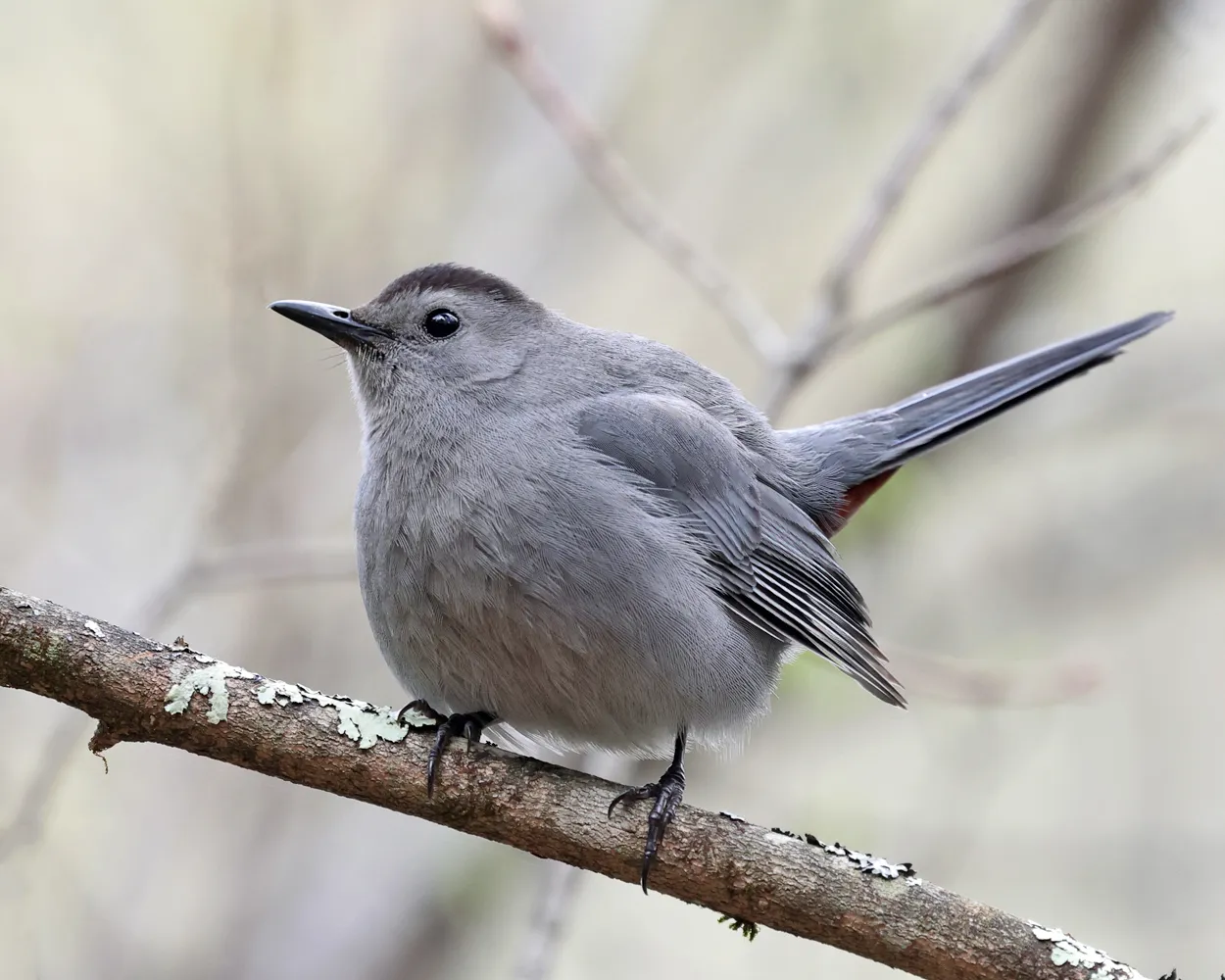
Sitting in the Catbird Seat
Legendary 1940s and 1950s baseball announcer Red Barber said that he first heard the phrase sitting in the catbird seat during a poker game in Cincinnati during the Great Depression. An opposing player, Frank Koch, kept raising the stakes and eventually won the pot with a pair of aces. Koch said to Barber, “Thank you, […]
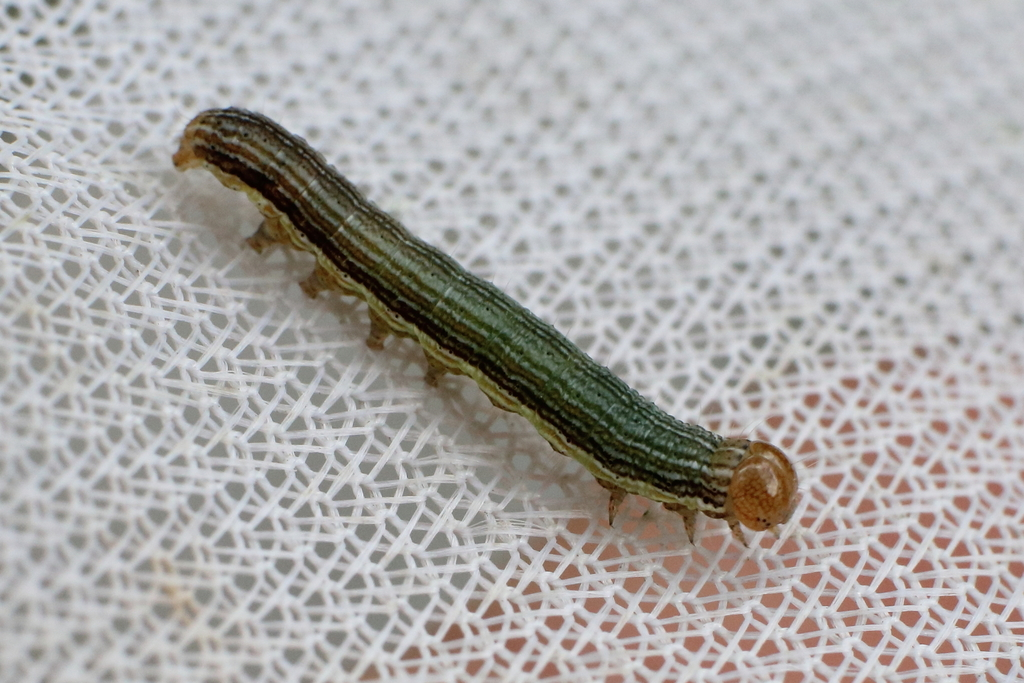
Armyworms besiege Cambridge
“Dreaded Army Worm Appears in Cambridge—Lawns Devastated in Wards One and Two—Ordinary Methods of Extermination Ineffectual.” Read more ‘We’re not just the war’: Ukraine beyond the battlefield That’s what a Cambridge Tribune headline from September 1896 says. The article, which describes Cambridge as “besieged,” says “The army worm, that most dreaded of all the pests […]

Go for goldfinches
American goldfinches (Spinus tristis), also called “yellow birds,” are small sparrow-sized birds with black wings. In summer, the males are brilliant golden yellow with a black forehead, and, despite the name, females are olive-yellow below and olive above. Read more Cult classics are in session Most songbirds nest and raise youngsters in the spring when […]

Keep an eye, and ear, out for migrating nighthawks
Common nighthawks (Chordeiles minor) are crepuscular birds that eat flying insects. You’ll spot them swooping and wheeling like aerial acrobats to catch bugs in mid-air. They are closely related to whippoorwills with the same teeny beaks that open wide into surprisingly enormous insect-catching mouths. Read more Cambridge halves participatory budgeting to $500,000 as 13th annual […]

The worm stomping wood turtle is smarter than you think
Once upon a time, the wood turtle was the most common freshwater turtle in eastern Massachusetts. Today it is in severe decline. Naturalists Louis Agassiz and Henry David Thoreau documented their observations of this reptile in the mid-1800s. Read more This Cambridge physical therapist keeps dancers on their toes But these turtles have been around […]

Dragonflies are older than dinosaurs and still thriving
Of the more than 300 in North America, none are more interesting than the black saddlebags dragonfly (Tramea lacerata), so named because of the black patches on its hind wings. When viewed from above, the patches look to be resting on each side of the abdomen, resembling saddlebags draped across the back of a horse. […]

The unusual moth that looks like a hummingbird
We all know that moths are common at night, but there are a few species of moths that fly during the day. One of these is the hummingbird clearwing moth (Hemaris thysbe). Read more Patrick John Filer The name is fitting: This large moth might be mistaken for a hummingbird because it hovers and beats […]

The birds that bounced back
Pileated woodpeckers (Dryocopus pileatus)arethe largest woodpecker in North America — nearly the size of a crow — with a black body, white facial stripes, and a red crest. Pileated comes from the Latin pileatus, meaning “capped,” a reference to the red crest that looks like a cap atop its head. If the bird seems familiar, […]