environment
These are Massachusetts geese now
You may be surprised to learn that before the 1930s, Canada geese (Branta canadensis) did not commonly nest in Massachusetts. These geese were mostly migratory, nesting and breeding far to the north, hence the name Canada goose. Read more Fatal Cambridge crash suspect charged with OUI, motor vehicle homicide Now, some Canada geese are still […]
City council urges MWRA to rethink Magazine Beach sewage tank
The Cambridge City Council unanimously approved a policy order Tuesday urging the Massachusetts Water Resources Authority to reconsider its plans for a 10-million-gallon sewage storage tank beneath Magazine Beach. The order proposed alternative locations and designs that would avoid permanently closing off public parkland. Read more Cambridge councillors seek overhaul of Harvard Square kiosk Originally […]
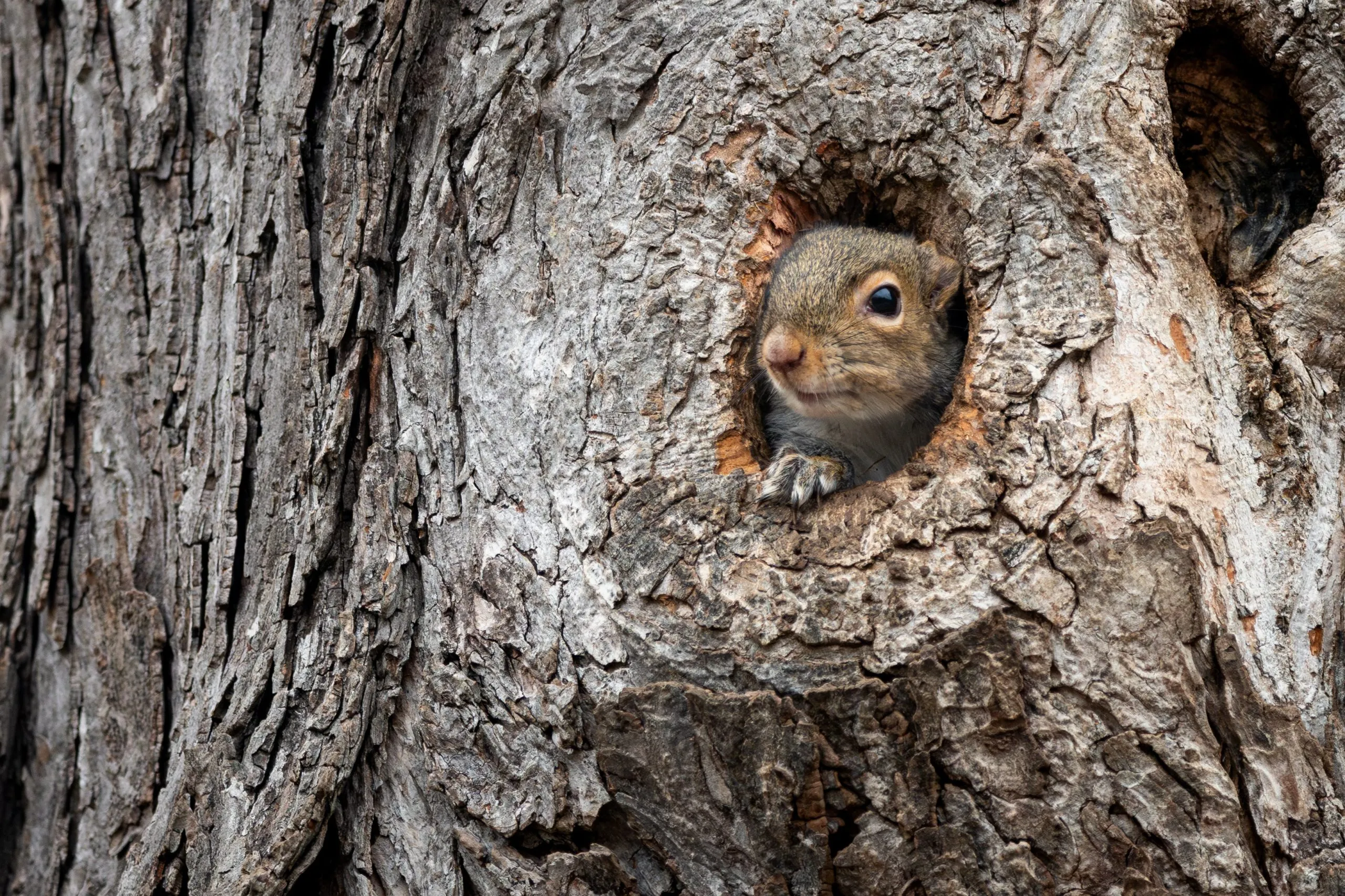
How to survive a nor’easter if you are not human
That early fall nor’easter we had recently brought up the question: How did critters survive days of wind and rain? Read more Honk! Festival celebrates 21 years of street band activism with photo exhibit in Somerville Consider some of the creatures we frequently encounter in our neighborhoods: the birds in our trees and at our […]
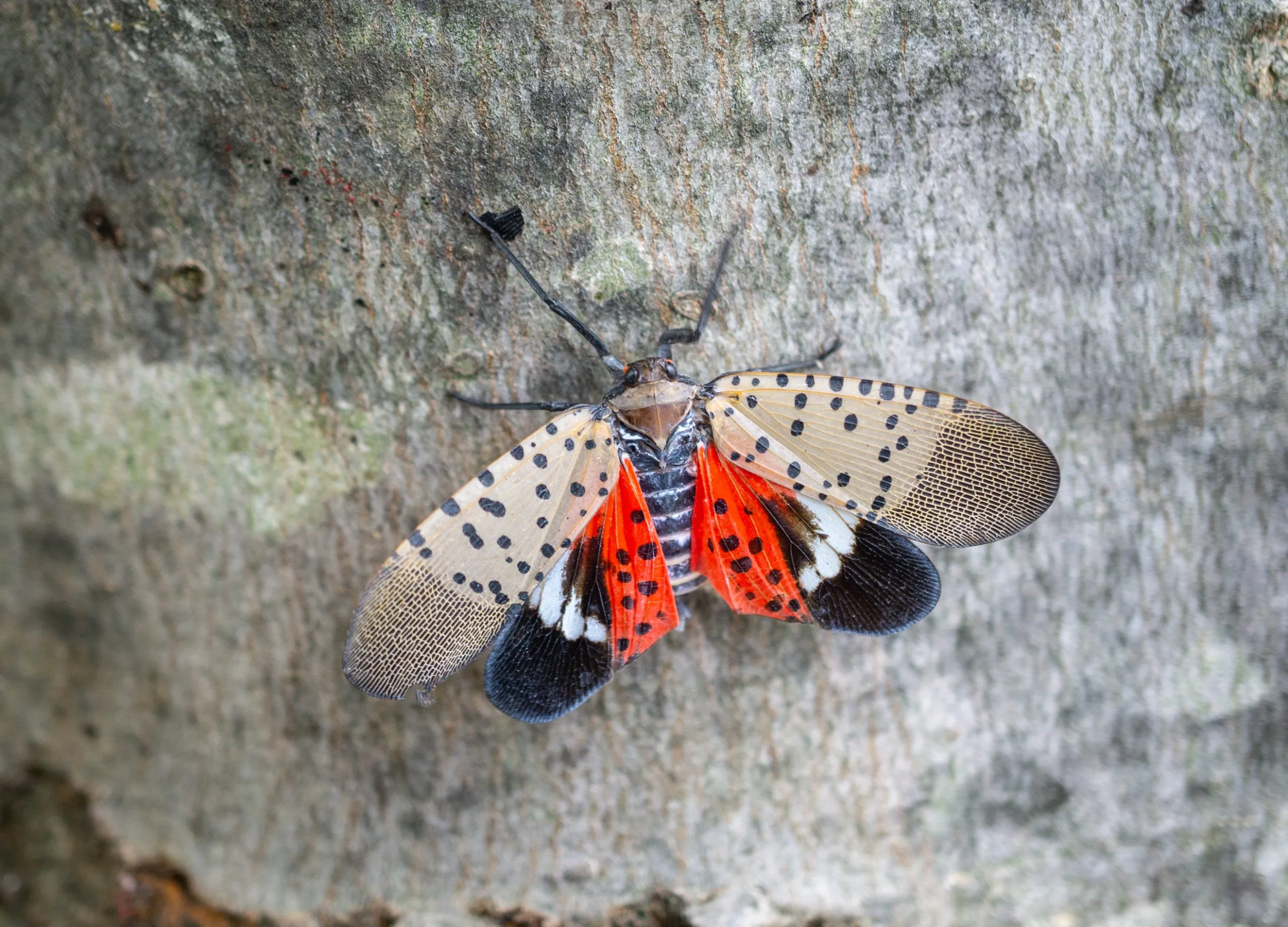
The spotted lanternfly, an invasive pest
As I was riding my bike the other day, I spotted an insect on the pavement. Not wanting to harm it, I swerved around it, but as I did so, I realized that the insect looked a lot like a spotted lanternfly. I turned around, went back, confirmed that it was indeed a spotted lanternfly, […]
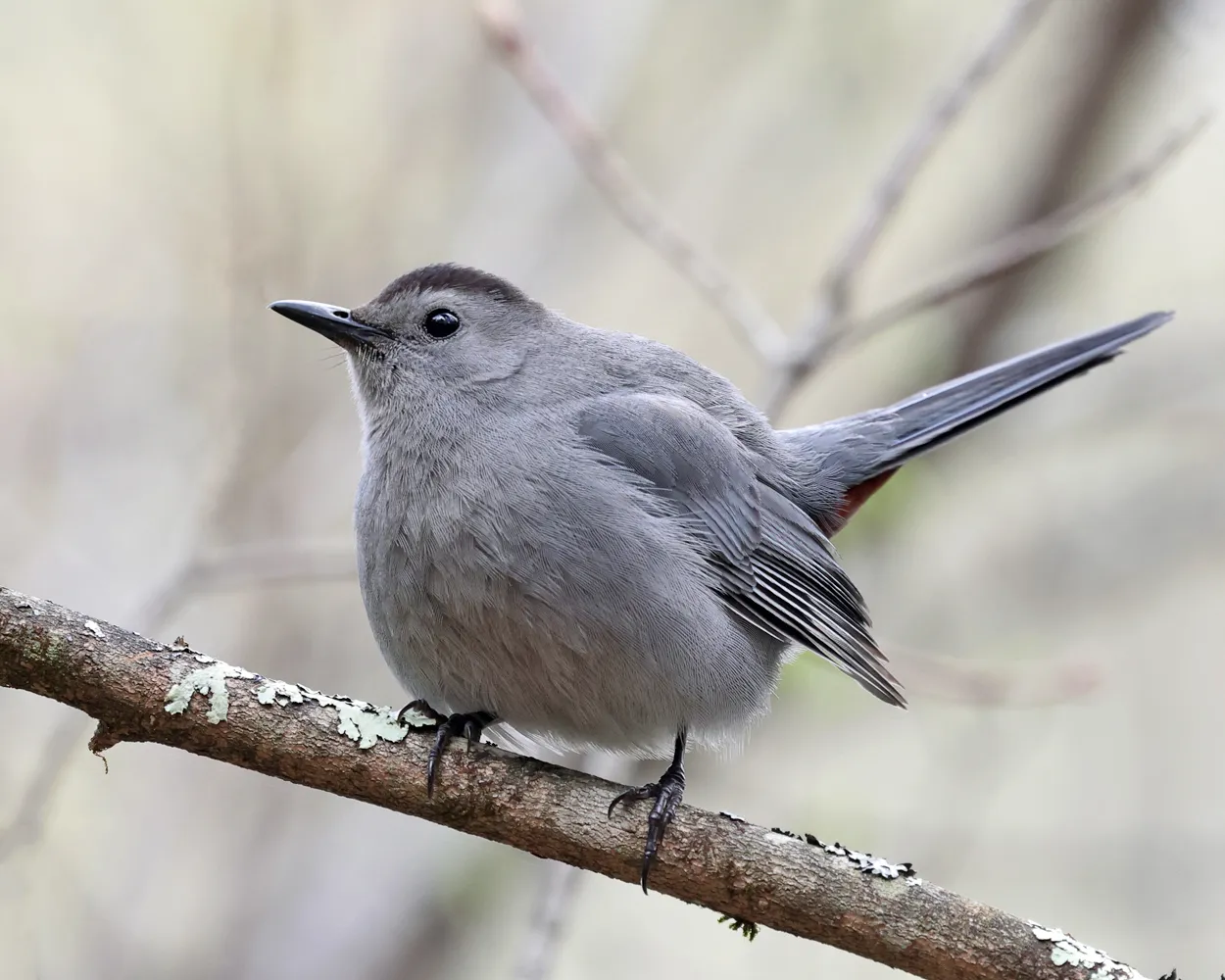
Sitting in the Catbird Seat
Legendary 1940s and 1950s baseball announcer Red Barber said that he first heard the phrase sitting in the catbird seat during a poker game in Cincinnati during the Great Depression. An opposing player, Frank Koch, kept raising the stakes and eventually won the pot with a pair of aces. Koch said to Barber, “Thank you, […]
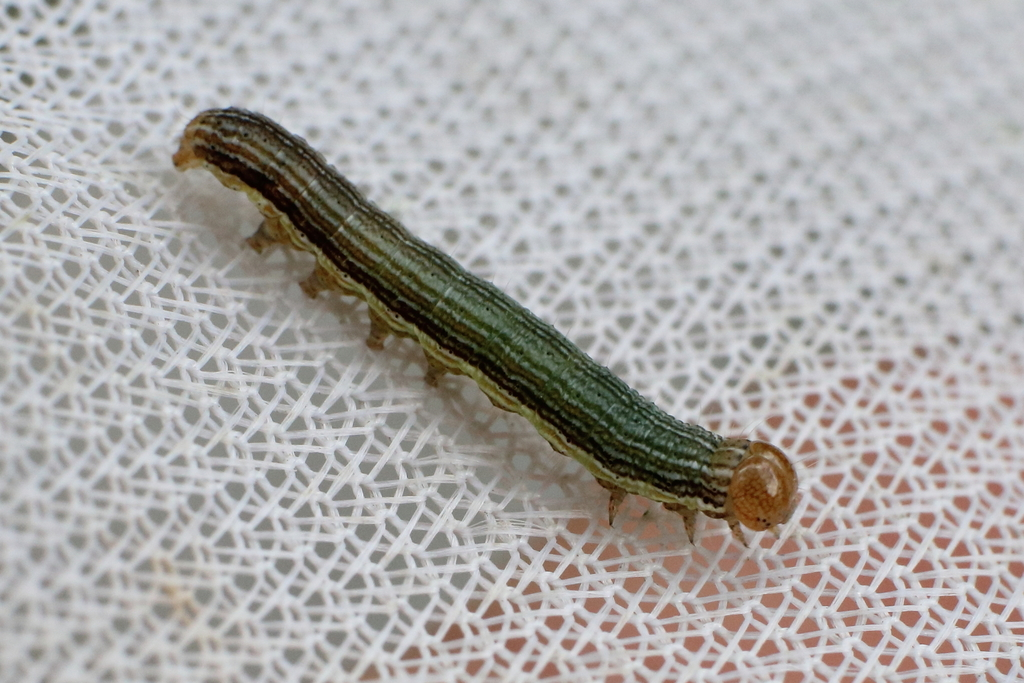
Armyworms besiege Cambridge
“Dreaded Army Worm Appears in Cambridge—Lawns Devastated in Wards One and Two—Ordinary Methods of Extermination Ineffectual.” Read more ‘We’re not just the war’: Ukraine beyond the battlefield That’s what a Cambridge Tribune headline from September 1896 says. The article, which describes Cambridge as “besieged,” says “The army worm, that most dreaded of all the pests […]
‘Turkeys’ app invites Cambridge to consider our gobbly neighbors
Jeff Fossett had never seen a turkey fly. He hadn’t actually seen a turkey at all until he moved to Cambridge nearly a decade ago. Read more Central Square’s ‘Eleanor’ a Plum production But when the postdoc researcher moved into a ground floor apartment on Ware St. in Mid-Cambridge, he was visited by turkeys at […]

Go for goldfinches
American goldfinches (Spinus tristis), also called “yellow birds,” are small sparrow-sized birds with black wings. In summer, the males are brilliant golden yellow with a black forehead, and, despite the name, females are olive-yellow below and olive above. Read more Cult classics are in session Most songbirds nest and raise youngsters in the spring when […]

Cape Cod environmental crime drama has local flavor, minimal thrills
“The Scallop Plot” by former Boston Globe health columnist Judy Foreman seems like an ideal choice for a Cape Cod guest house bookshelf, a thriller to flip through idly on a rainy day. It’s full of immersive descriptions of Provincetown and vicinity, with plenty of local landmarks and restaurants namechecked. And it leaves the reader […]

Keep an eye, and ear, out for migrating nighthawks
Common nighthawks (Chordeiles minor) are crepuscular birds that eat flying insects. You’ll spot them swooping and wheeling like aerial acrobats to catch bugs in mid-air. They are closely related to whippoorwills with the same teeny beaks that open wide into surprisingly enormous insect-catching mouths. Read more Cambridge halves participatory budgeting to $500,000 as 13th annual […]