Birds
These are Massachusetts geese now
You may be surprised to learn that before the 1930s, Canada geese (Branta canadensis) did not commonly nest in Massachusetts. These geese were mostly migratory, nesting and breeding far to the north, hence the name Canada goose. Read more Fatal Cambridge crash suspect charged with OUI, motor vehicle homicide Now, some Canada geese are still […]
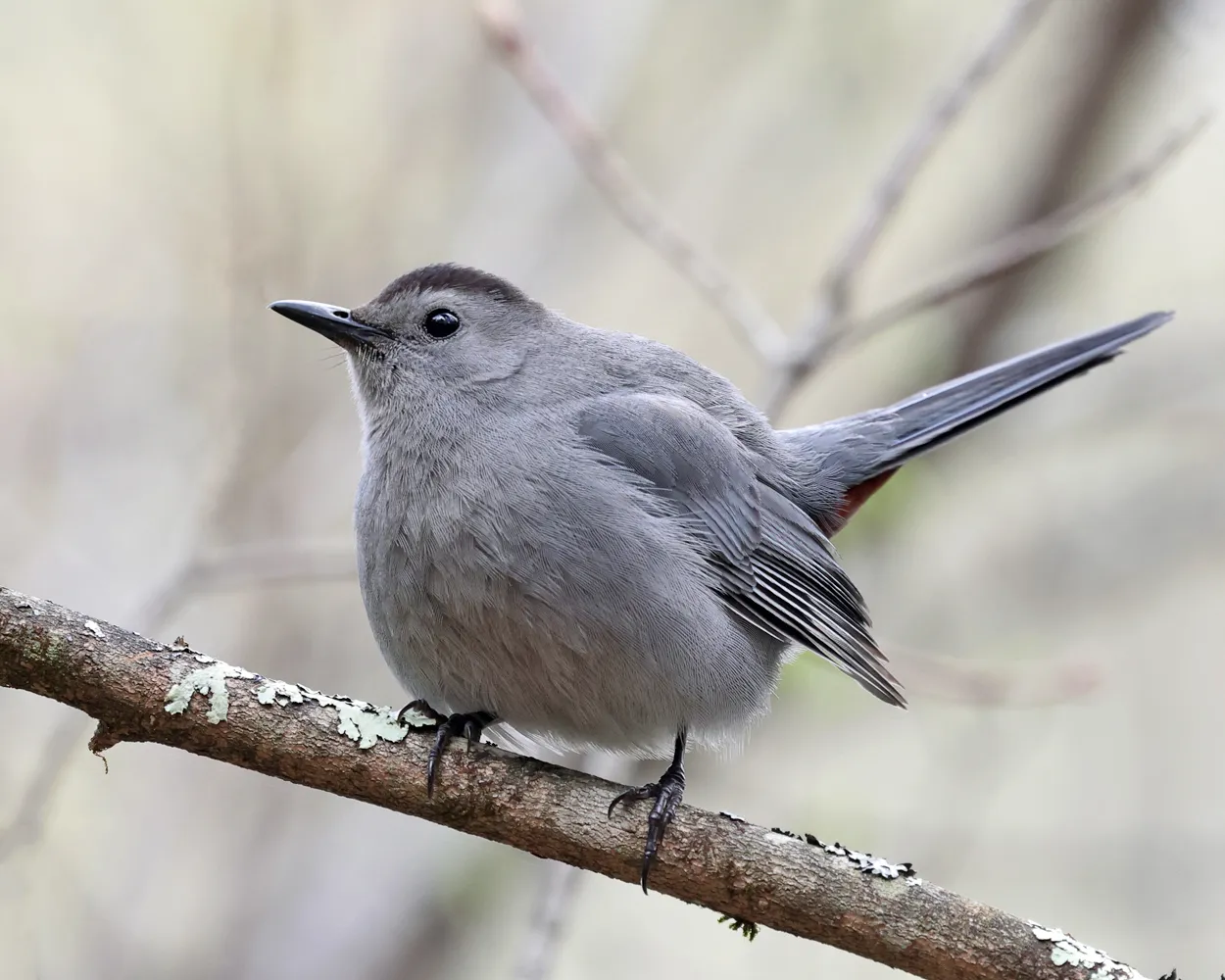
Sitting in the Catbird Seat
Legendary 1940s and 1950s baseball announcer Red Barber said that he first heard the phrase sitting in the catbird seat during a poker game in Cincinnati during the Great Depression. An opposing player, Frank Koch, kept raising the stakes and eventually won the pot with a pair of aces. Koch said to Barber, “Thank you, […]
‘Turkeys’ app invites Cambridge to consider our gobbly neighbors
Jeff Fossett had never seen a turkey fly. He hadn’t actually seen a turkey at all until he moved to Cambridge nearly a decade ago. Read more Central Square’s ‘Eleanor’ a Plum production But when the postdoc researcher moved into a ground floor apartment on Ware St. in Mid-Cambridge, he was visited by turkeys at […]

Go for goldfinches
American goldfinches (Spinus tristis), also called “yellow birds,” are small sparrow-sized birds with black wings. In summer, the males are brilliant golden yellow with a black forehead, and, despite the name, females are olive-yellow below and olive above. Read more Cult classics are in session Most songbirds nest and raise youngsters in the spring when […]

Keep an eye, and ear, out for migrating nighthawks
Common nighthawks (Chordeiles minor) are crepuscular birds that eat flying insects. You’ll spot them swooping and wheeling like aerial acrobats to catch bugs in mid-air. They are closely related to whippoorwills with the same teeny beaks that open wide into surprisingly enormous insect-catching mouths. Read more Cambridge halves participatory budgeting to $500,000 as 13th annual […]

The birds that bounced back
Pileated woodpeckers (Dryocopus pileatus)arethe largest woodpecker in North America — nearly the size of a crow — with a black body, white facial stripes, and a red crest. Pileated comes from the Latin pileatus, meaning “capped,” a reference to the red crest that looks like a cap atop its head. If the bird seems familiar, […]

Resilient red-tailed hawks face new threat
The red-tailed hawk (Buteo jamaicensis) is the most common hawk in the United States, with about three million breeding birds residing in North America today. They are also one of the largest North American birds: up to 24 inches long with a wingspan of nearly four feet. Their excellent eyesight helps them spot movement of […]
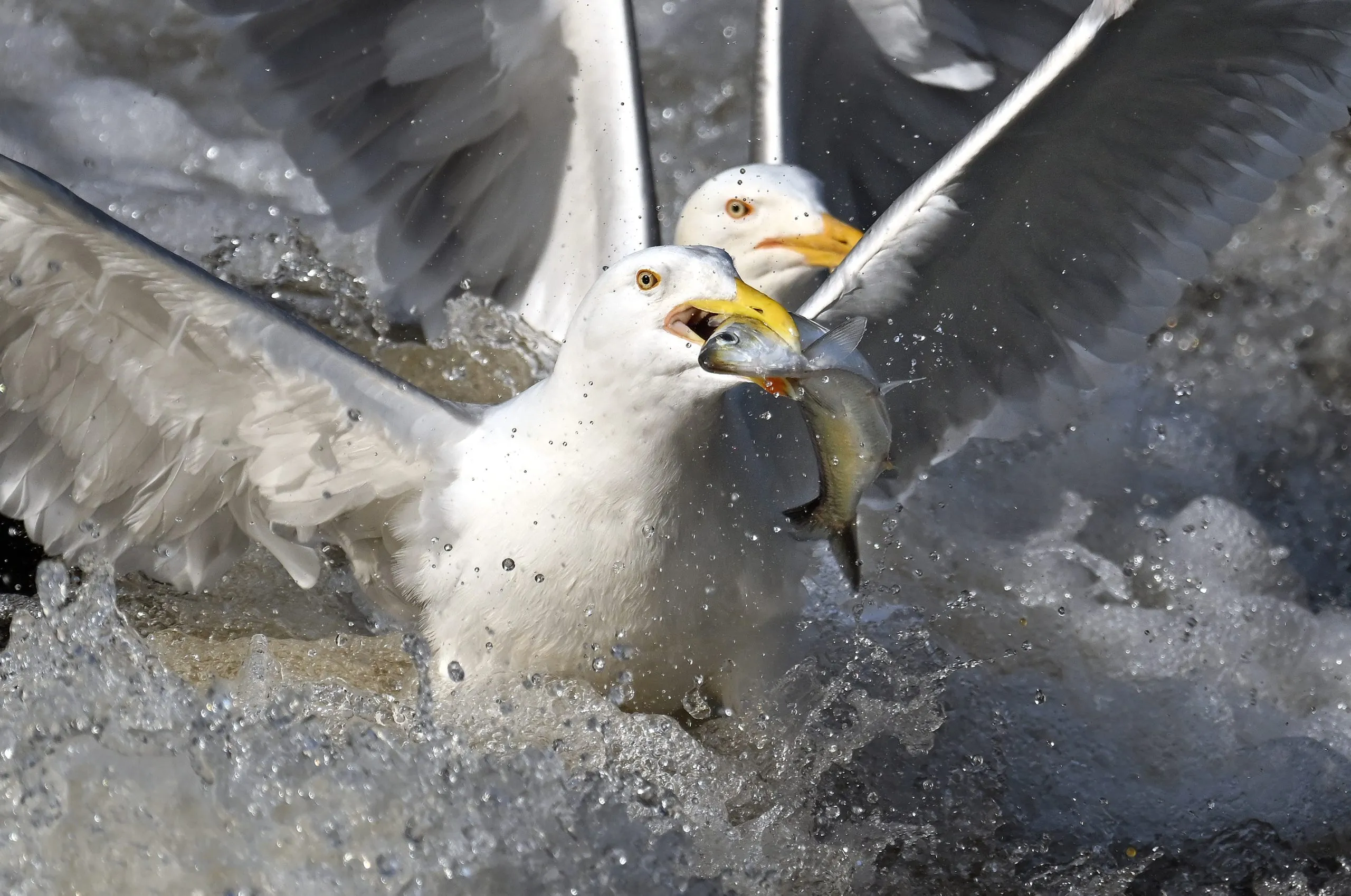
Herring and herons: signs of the Charles River’s vast improvement
From Boston’s Museum of Science to the Watertown Dam, the Charles River this spring was rife with river herring swirling in the water like scores of baby sharks. Near the dam, dozens of the aptly named herring gulls perched on rocks and plunged for the fish, while great blue herons waded out into the shallows […]
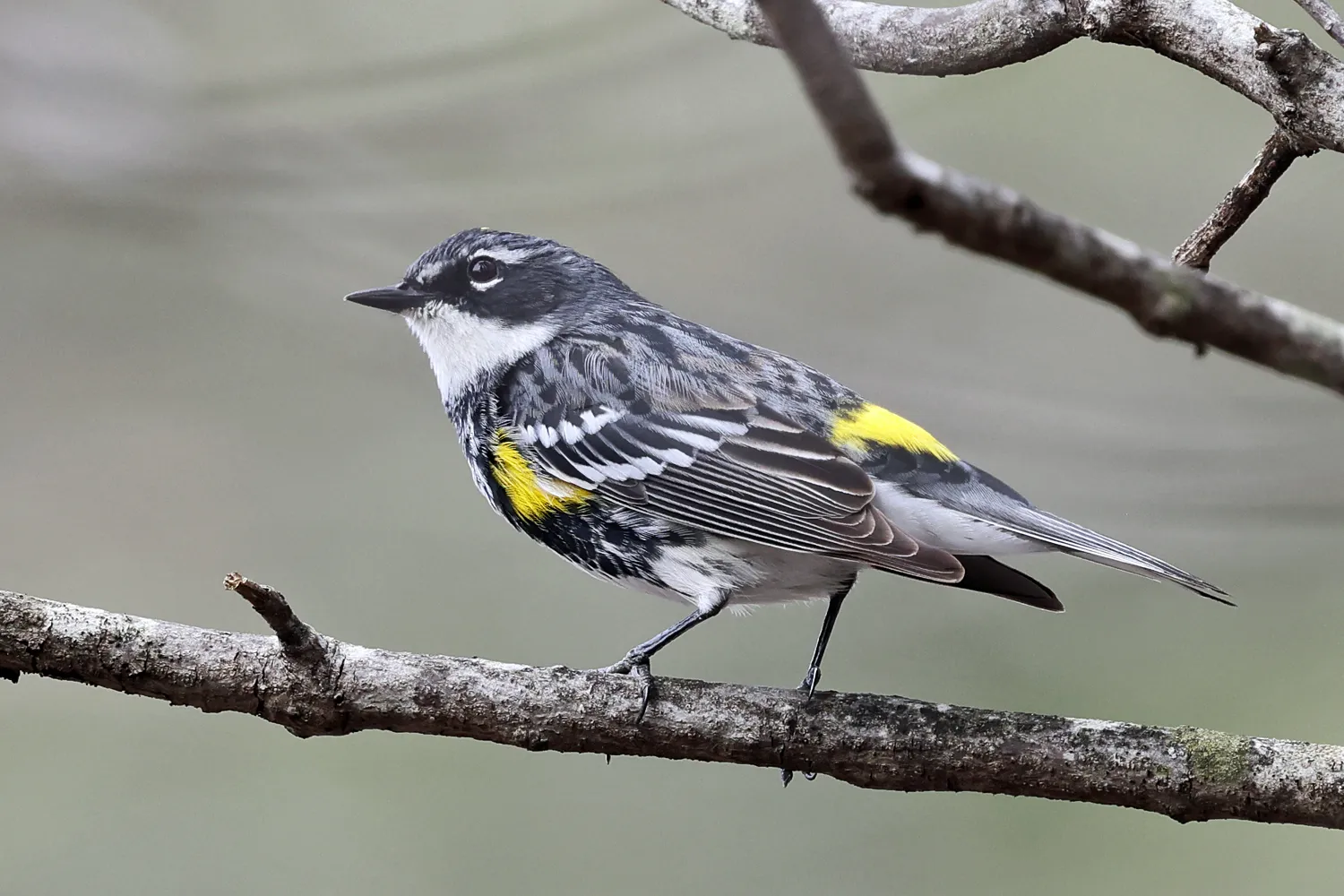
If only humans could breathe like yellow-rumped warblers
Mammals, including humans, inhale oxygen and exhale carbon dioxide, which sounds like a fairly simple process. But compared to birds, we’re very inefficient. When we breathe, we inhale oxygen-rich air into our lungs. This fresh air mixes with old oxygen-poor air already in the lungs. When we breathe out, we breathe out this old stale […]