Nature

Dragonflies are older than dinosaurs and still thriving
Of the more than 300 in North America, none are more interesting than the black saddlebags dragonfly (Tramea lacerata), so named because of the black patches on its hind wings. When viewed from above, the patches look to be resting on each side of the abdomen, resembling saddlebags draped across the back of a horse. […]

The unusual moth that looks like a hummingbird
We all know that moths are common at night, but there are a few species of moths that fly during the day. One of these is the hummingbird clearwing moth (Hemaris thysbe). Read more Patrick John Filer The name is fitting: This large moth might be mistaken for a hummingbird because it hovers and beats […]
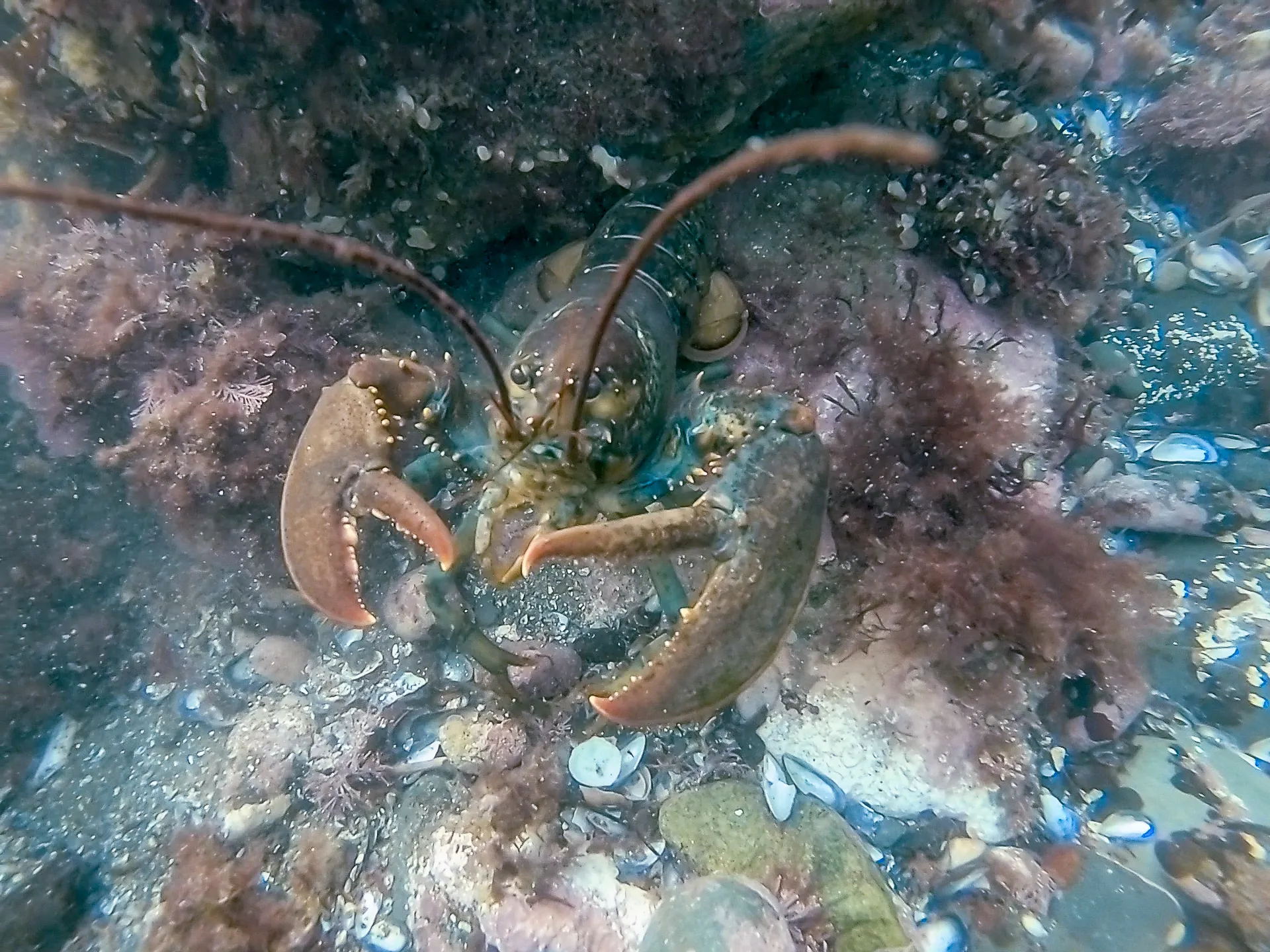
Lobsters are smart, except the ones you eat
There’s a good reason lobsters and New England go hand-in-hand. Their presence in the Atlantic waters off our coast goes back millions of years, and the fact that they helped many early European settlers survive means these critters are an essential part of New England history. Read more Cambridge Jazz Fest aims to play it […]
Lobsters are smart, except the ones you eat
There’s a good reason lobsters and New England go hand-in-hand. Their presence in the Atlantic waters off our coast goes back millions of years, and the fact that they helped many early European settlers survive means these critters are an essential part of New England history. Read more Existential philosophy with Jell-O: A recipe for […]
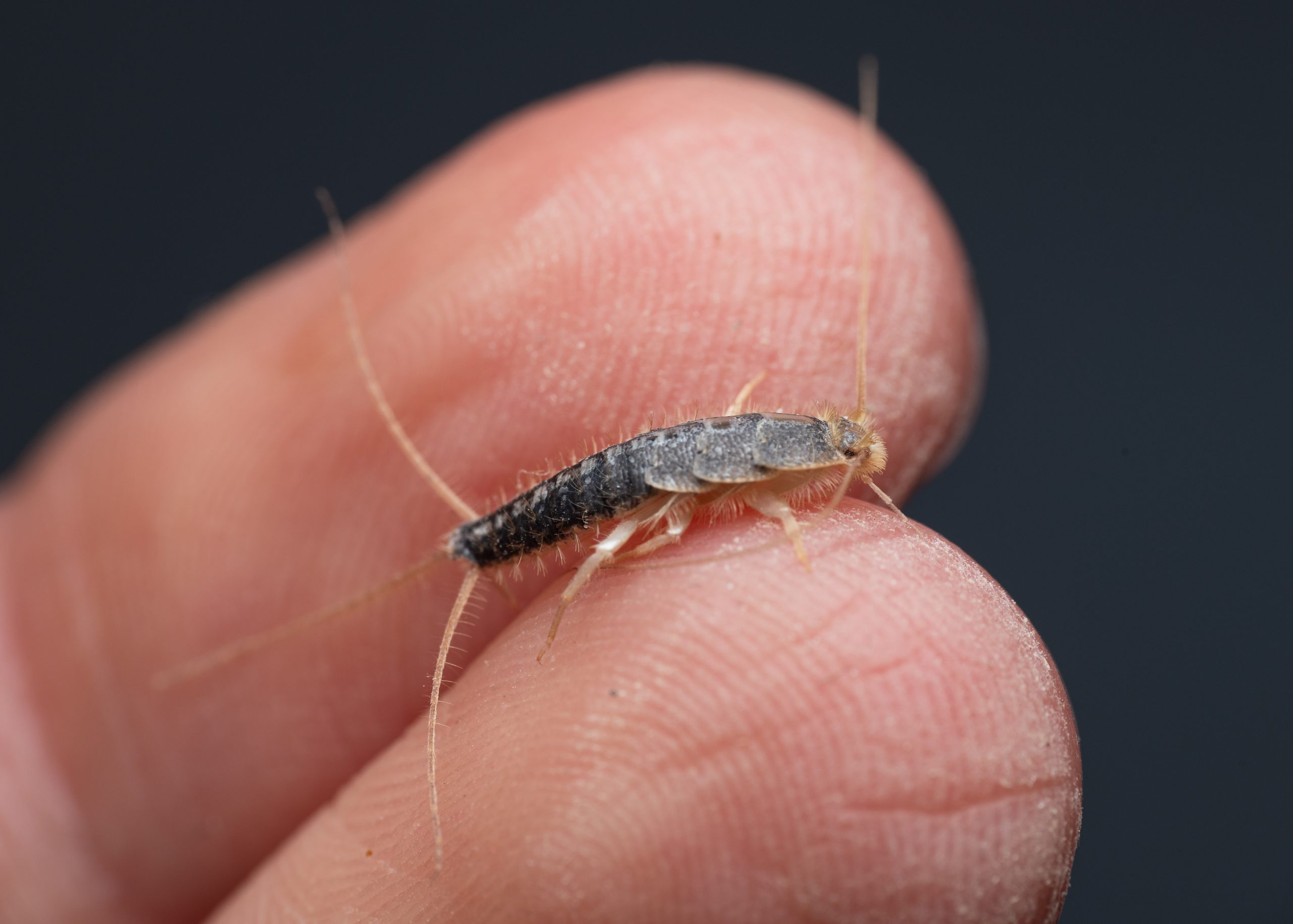
A different kind of book-worm
Way back in 1665, Robert Hooker wrote of the “small, Silver-coloured Book-worm” that chews through books and papers. He was writing about silverfish, which despite its name is a silver-grey cockroach-like insect you may have seen scamper across a dark bathroom or basement floor when you switch on a light. Read more Copper Mill developer […]
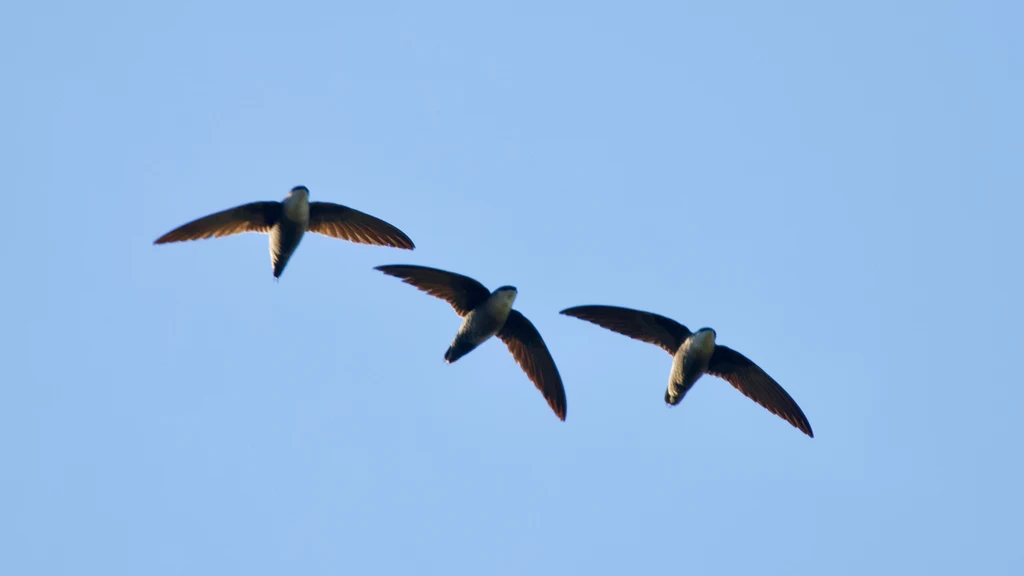
‘A blimp with wings?’ Whatever you call a chimney swift, it’s in decline
Chimney swifts (Chaetura pelagica) are called that for good reason. These birds fly with great speed and roost and build nests in chimneys. Or at least they used to until the 1960s, when chimneys began to be capped or lined with metal, making them too smooth or inaccessible for chimney swift roosting sites. Read more […]
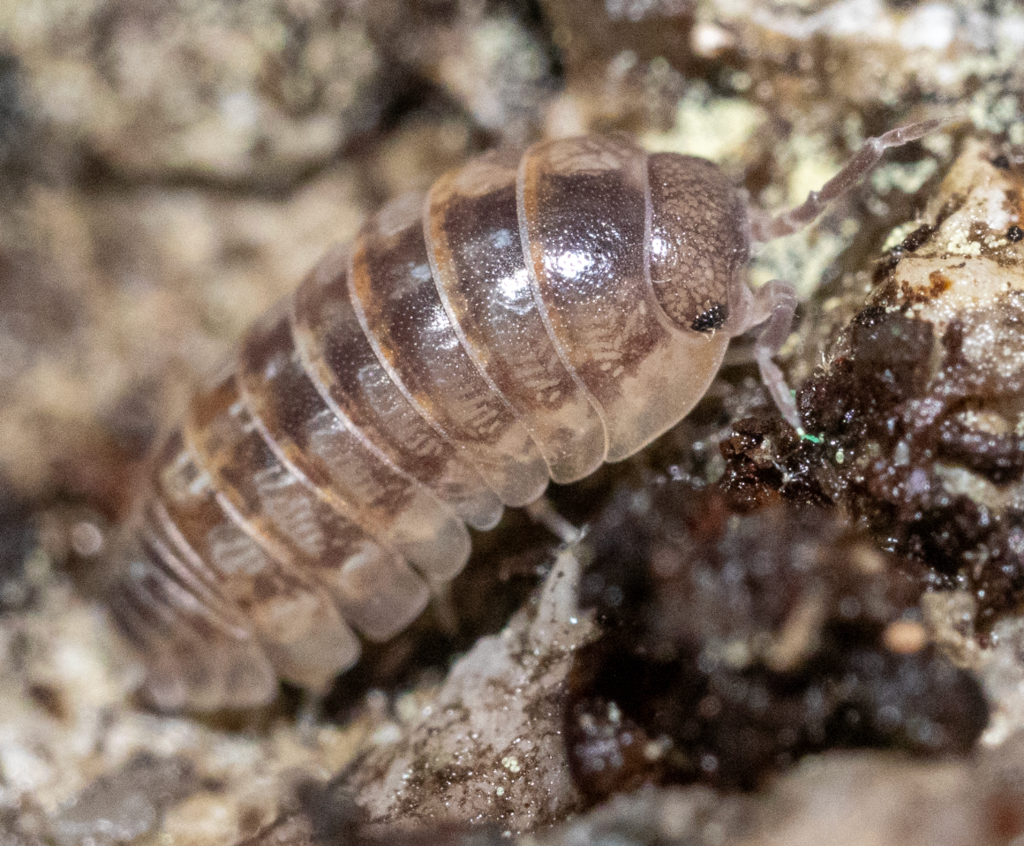
The many names of the wood louse
There are quite a few types of wood lice, but the Armadillidiidae family of wood louse is unique in that it can roll up into a ball, or conglobate (pronounced “con-glow-bate”). Many nonscientists have acknowledged this unique trait with their own descriptive names: pill bug, roly poly, basketball bug or curly bug. Read more Winding […]
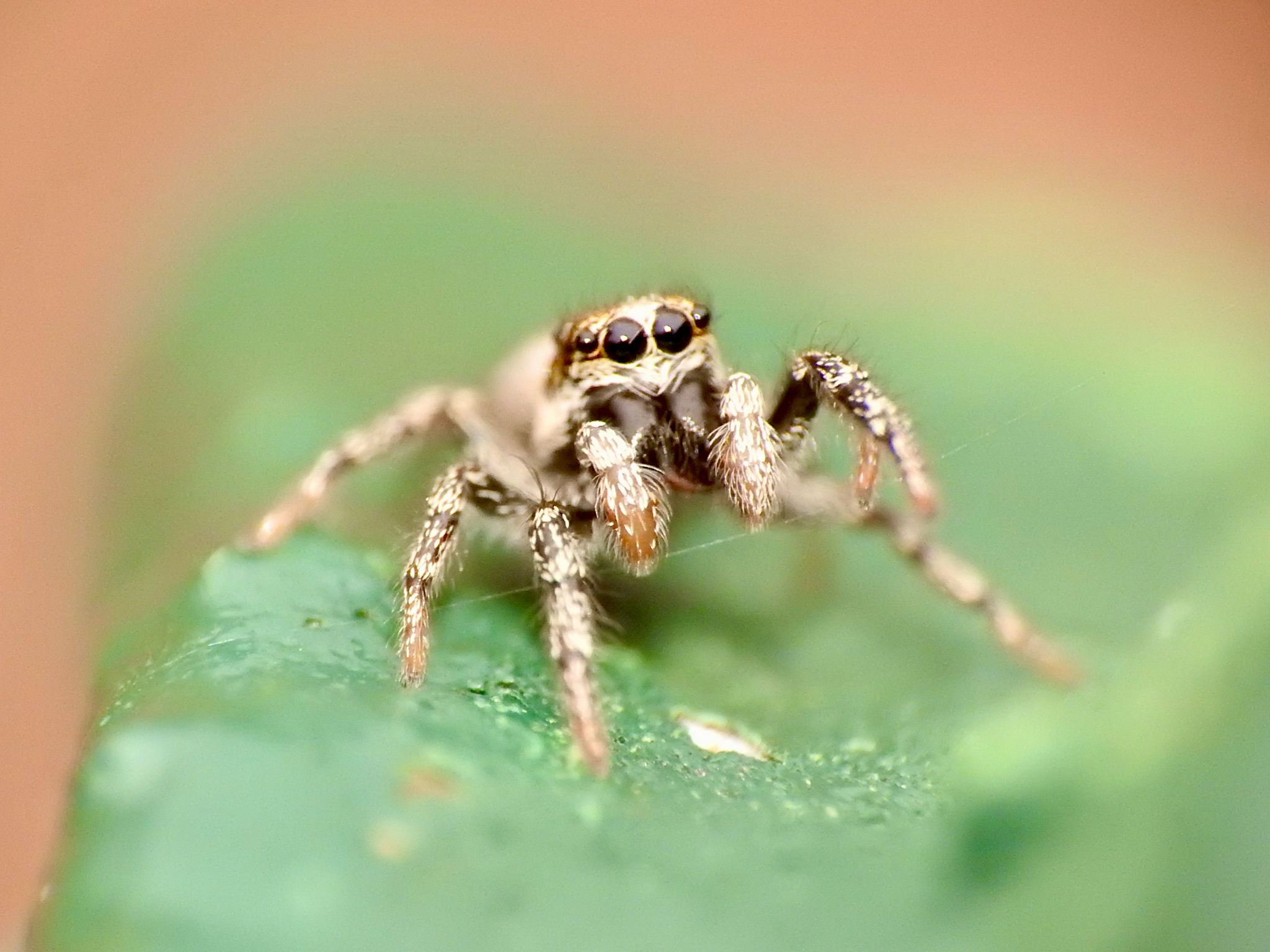
Pesky rabbits and jumping spiders
A reader asks:Why do rabbits eat plants in my garden but not my neighbor’s garden? Read more Four new films explore war, gender, and crime true and comedic This is an excellent question, but unfortunately there is not an easy answer. It could simply be that you grow plants that are more attractive to rabbits. […]
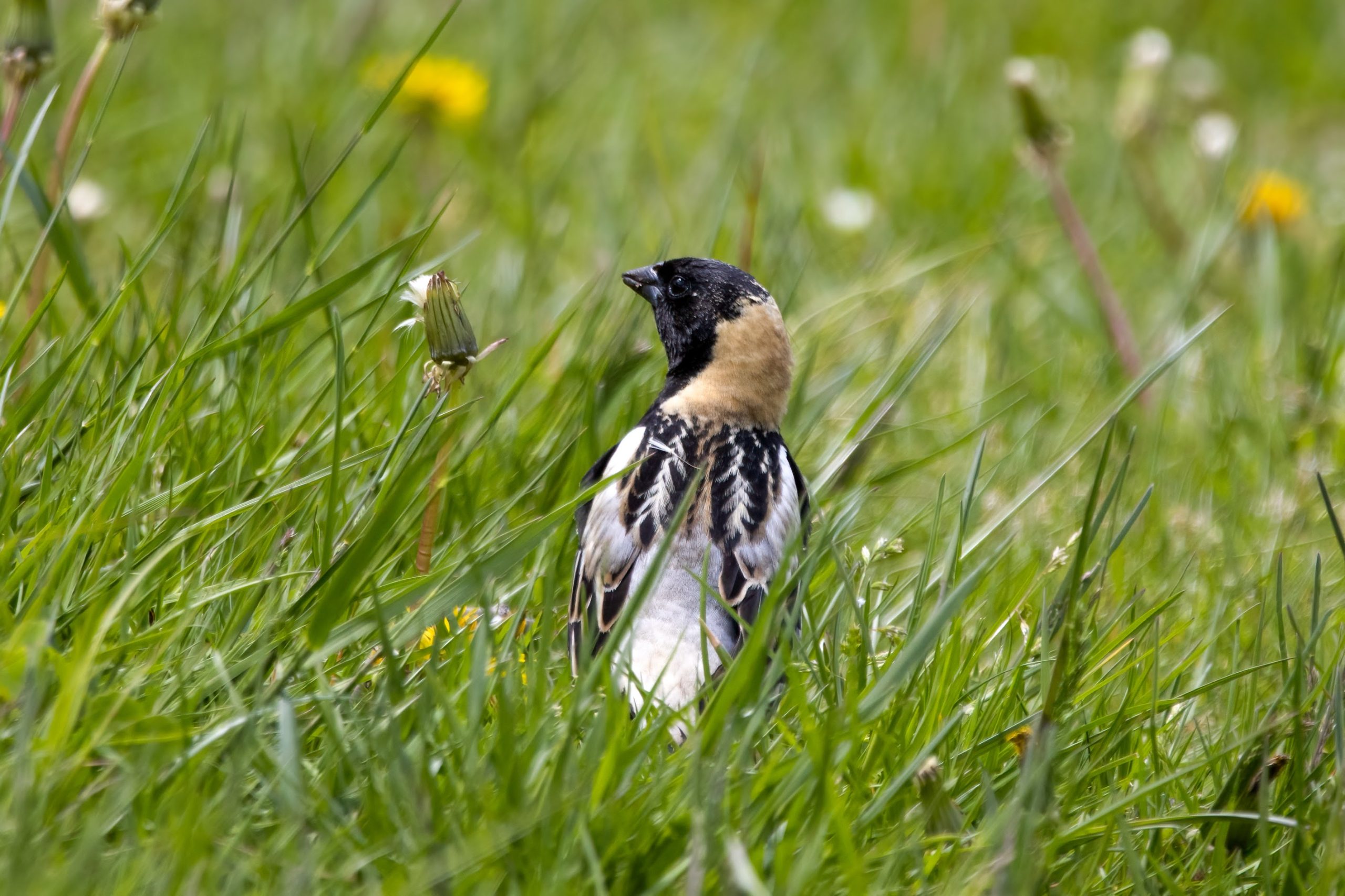
The once familiar bobolink now in decline
A reader asked me recently about ground-nesting birds. Here is the story of one such bird, the bobolink. Bobolinks (Dolichonyx oryzivorus) breed in open grasslands and prairies. When European settlers arrived in North America, they cleared forests for hayfields, pastures and farms. Bobolinks, native to the Americas, thrived in hayfields, which were plentiful even near […]
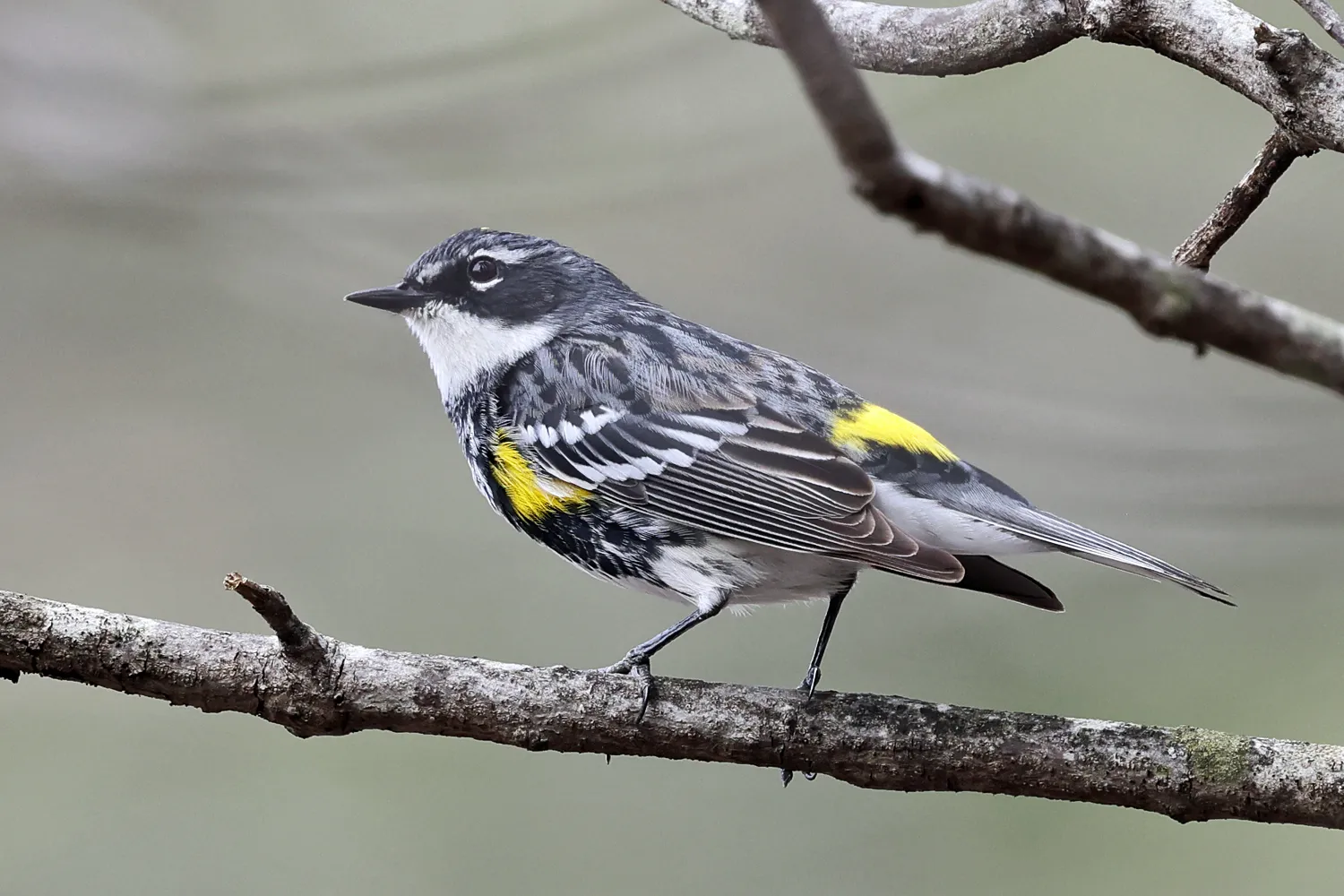
If only humans could breathe like yellow-rumped warblers
Mammals, including humans, inhale oxygen and exhale carbon dioxide, which sounds like a fairly simple process. But compared to birds, we’re very inefficient. When we breathe, we inhale oxygen-rich air into our lungs. This fresh air mixes with old oxygen-poor air already in the lungs. When we breathe out, we breathe out this old stale […]