A different kind of book-worm
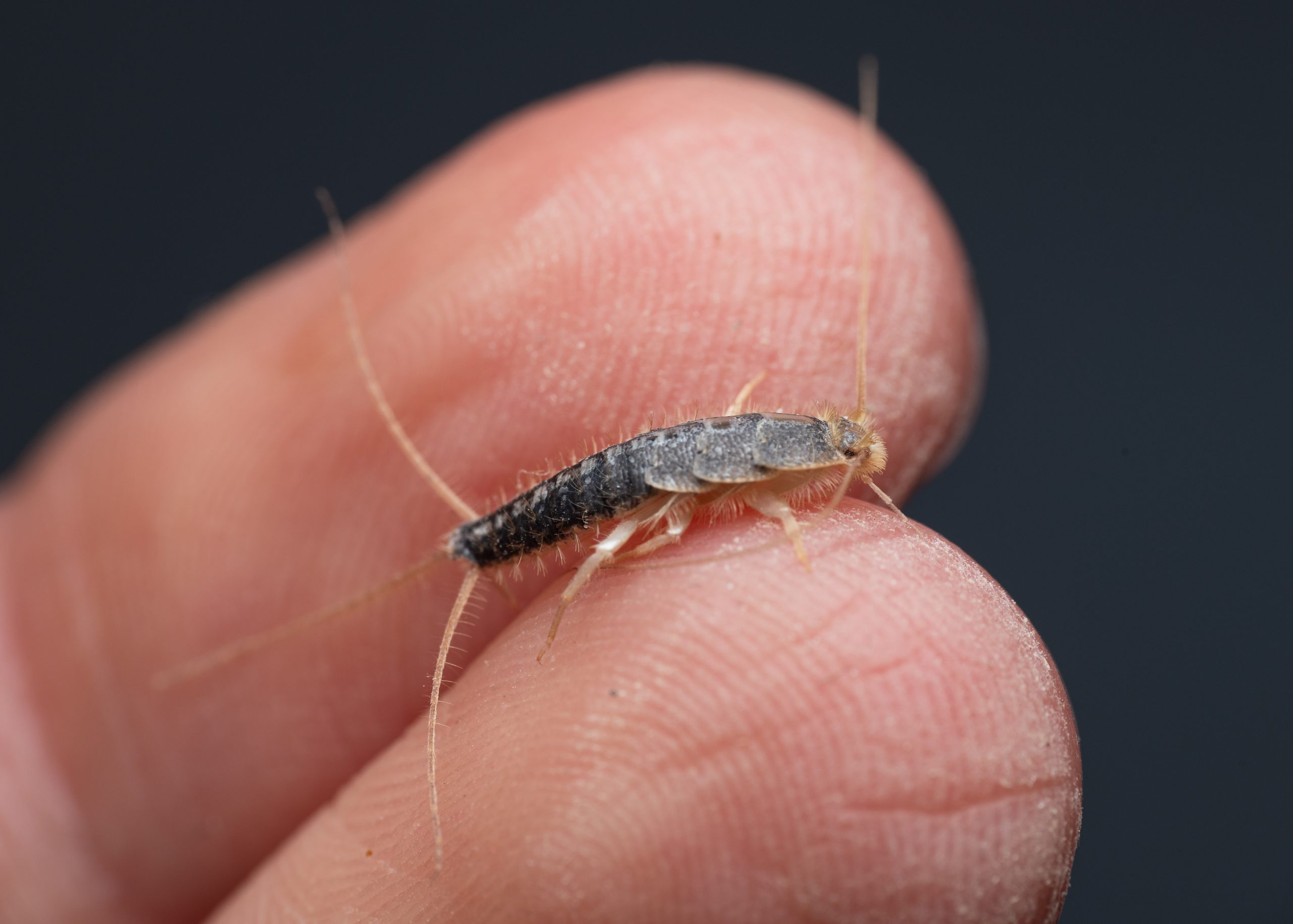
Way back in 1665, Robert Hooker wrote of the “small, Silver-coloured Book-worm” that chews through books and papers. He was writing about silverfish, which despite its name is a silver-grey cockroach-like insect you may have seen scamper across a dark bathroom or basement floor when you switch on a light.
Read more Copper Mill developer accused of default
These nocturnal, wingless insects get their name because of their color and how they wiggle like fish when disturbed.
Hooker wasn’t the only one to notice these critters’ taste for paper.
In 1902, the U.S. Department of Agriculture (USDA) wrote that silverfish were “one of the most troublesome enemies of books, papers, card labels in museums, starched clothing, and occasionally stored food substances.” They were “not often seen and most difficult to capture,” the Department said, and were “one of the most serious pests in libraries, particularly to the binding of books,” and frequently ate off “gold lettering to get at the paste beneath” or gnawed off the “white slips glued on the backs of [library] books.”
Despite the relatively recent invention of their favorite food, silverfish have been around for a long, long time. They belong to an ancient line of insects whose fossils date back more than 400 million years, which means they are almost twice as old as the first dinosaurs.Today’s silverfish retain many ancient body features.
Silverfish have flat bodies and a pair of antennae as long as their body. They have small eyes that can detect light and dark. They hide when exposed to light, which is why you see them scampering away when you turn on a light in a dark basement. Three long bristle-like tails extend from the abdomen. The body is covered in shiny delicate scales that rub off easily. But they are difficult to catch, so you will probably not be testing this property.
Silverfish are found the world over in dark, humid places like inside caves or under rocks, beneath dead leaves or inside tree bark. They often congregate near food sources, so if you see one, there is likely an entire population nearby.
Read more This film about dinner with the neighbors is a winner
Their scientific name, Lepisma saccharinum, gives a clue about their diet: saccharinum refers to sugar, and hence they are sometimes called sugarfish. Silverfish eat carbohydrates or sugars, including starches and cellulose. It’s also why they eat some types of paper, which goes beyond book bindings to also include foods like onionskin, flour and breakfast cereal but also wallpaper paste (They do not eat newspaper, cardboard, or brown wrapping paper, for some reason). They also eat protein, such as dried beef or dead insects and sometimes munch on fabrics, including linen, silk, rayon, and cotton.. Although silverfish have chewing mouthparts, they do not bite people. If water is available, they may be able to survive for almost a year without eating!
Unlike most insects, silverfish do not undergo metamorphosis. They hatch from eggs into tiny white insects that do not pupate to grow wings. Adults and babies look different only in size. Youngsters molt half a dozen times as they grow until they reach maturity at half an inch. They continue to molt as adults, up to 30 times during their lifespan of several years.
To get rid of these pests, the USDA used to recommend placing cardboard covered in starch paste “liberally poisoned with arsenic” in bookshelves, mantels, and the bottoms of drawers. This process could lead to “complete relief” from silverfish. Of course, today we know that the Environmental Protection Agency classifies inorganic arsenic as a human carcinogen linked to lung, bladder and skin cancers, which makes this approach unusable.
Although they can live for several years, and there are ways to keep them at bay. Since they thrive in humid places, dehumidify damp rooms, run fans and do not leave damps towels or mats on the floor. Store flour, cereal, pasta and so on in sealed containers. Get rid of damp papers in the basement. Do silverfish pose a health risk? Not really. Although unpleasant, their waste does not transmit diseases.
Most importantly, keep important papers or books in plastic bins placed off of damp basement floors.
Read more Martial arts movies, Somerville Film Fest and the Stanton Rule lead the week

Related Posts
These are Massachusetts geese now
How to survive a nor’easter if you are not human