environment

Keep an eye, and ear, out for migrating nighthawks
Common nighthawks (Chordeiles minor) are crepuscular birds that eat flying insects. You’ll spot them swooping and wheeling like aerial acrobats to catch bugs in mid-air. They are closely related to whippoorwills with the same teeny beaks that open wide into surprisingly enormous insect-catching mouths. Read more Cambridge halves participatory budgeting to $500,000 as 13th annual […]

The worm stomping wood turtle is smarter than you think
Once upon a time, the wood turtle was the most common freshwater turtle in eastern Massachusetts. Today it is in severe decline. Naturalists Louis Agassiz and Henry David Thoreau documented their observations of this reptile in the mid-1800s. Read more This Cambridge physical therapist keeps dancers on their toes But these turtles have been around […]

Dragonflies are older than dinosaurs and still thriving
Of the more than 300 in North America, none are more interesting than the black saddlebags dragonfly (Tramea lacerata), so named because of the black patches on its hind wings. When viewed from above, the patches look to be resting on each side of the abdomen, resembling saddlebags draped across the back of a horse. […]

The birds that bounced back
Pileated woodpeckers (Dryocopus pileatus)arethe largest woodpecker in North America — nearly the size of a crow — with a black body, white facial stripes, and a red crest. Pileated comes from the Latin pileatus, meaning “capped,” a reference to the red crest that looks like a cap atop its head. If the bird seems familiar, […]

Charles River Task Force members hopeful for future
The Charles River Task Force wrapped up a year of work Tuesday June 30 with the submission of recommendations shaped by the community for how the state’s Department of Conservation and Recreation (DCR) can engage with neighborhoods along the Charles River. Read more Dear Annie will close, though its owner says she’ll start something new […]
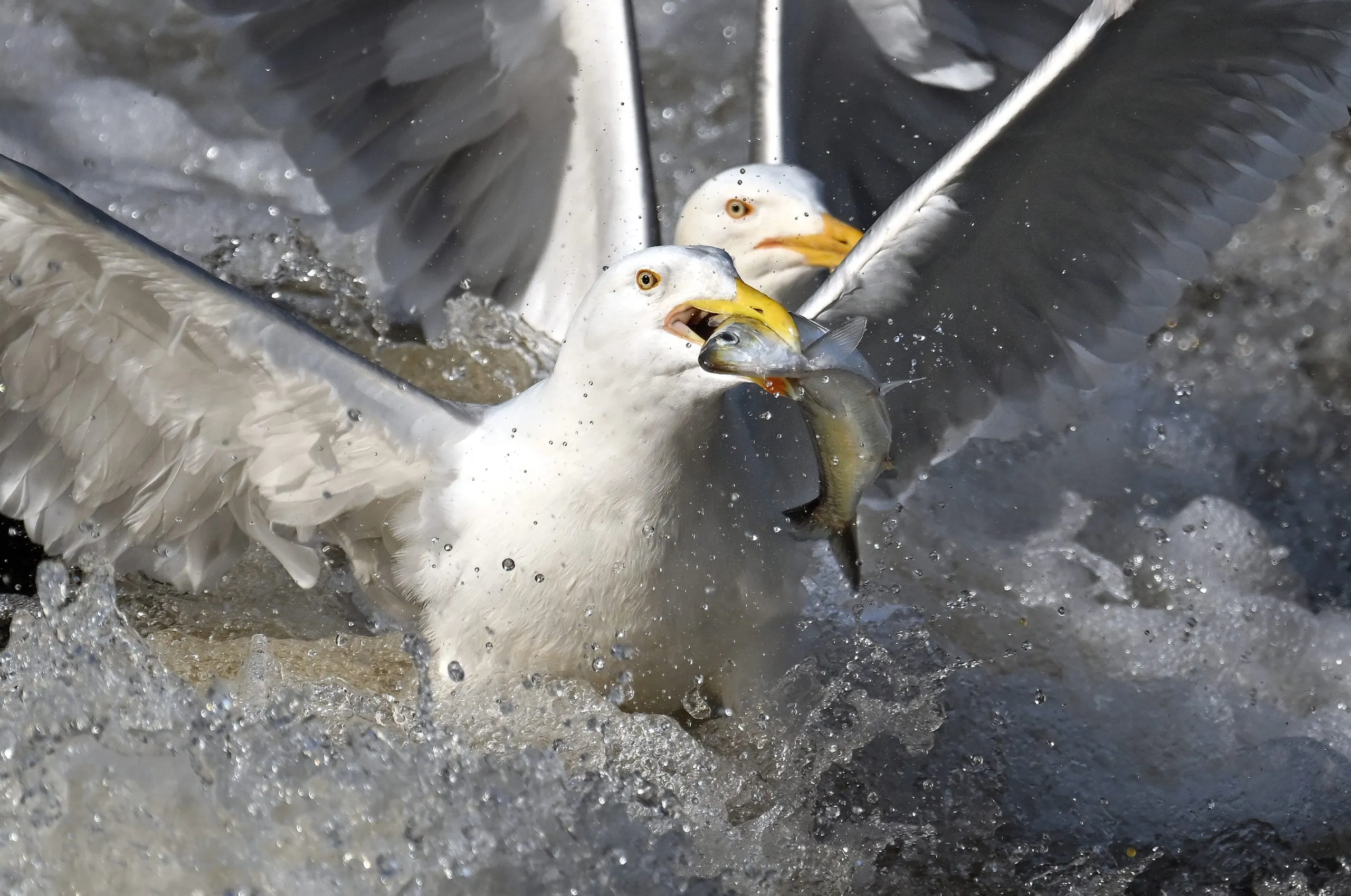
Herring and herons: signs of the Charles River’s vast improvement
From Boston’s Museum of Science to the Watertown Dam, the Charles River this spring was rife with river herring swirling in the water like scores of baby sharks. Near the dam, dozens of the aptly named herring gulls perched on rocks and plunged for the fish, while great blue herons waded out into the shallows […]
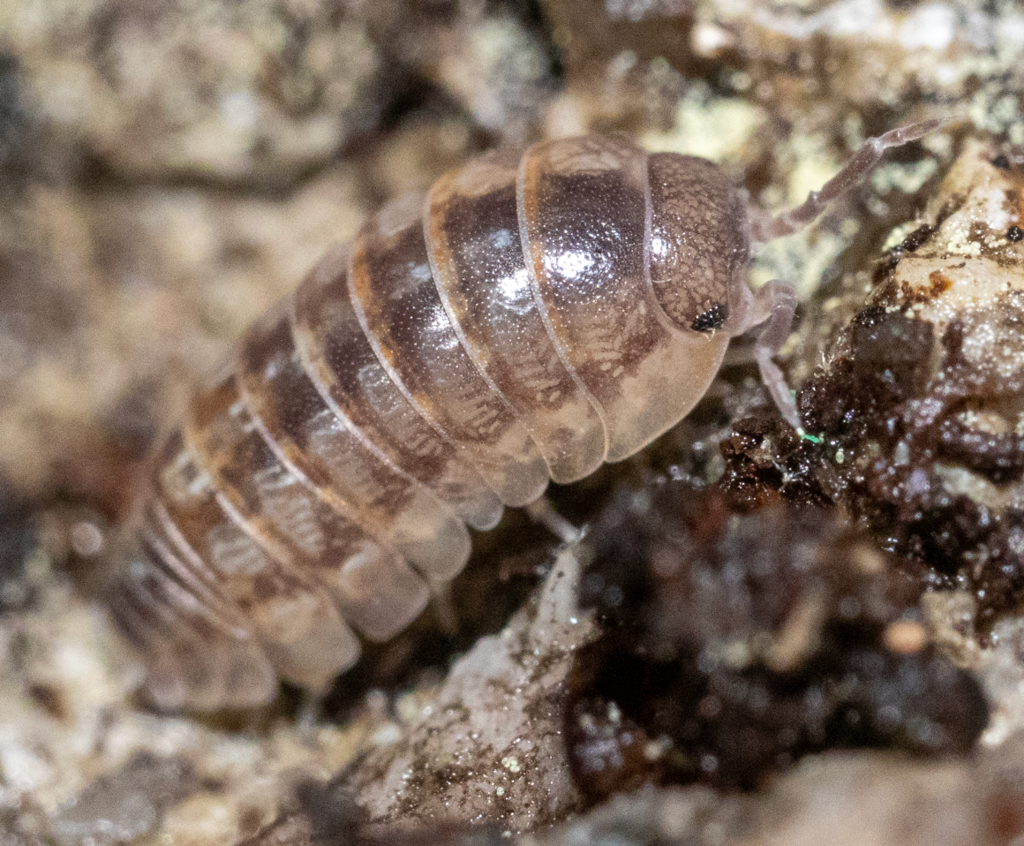
The many names of the wood louse
There are quite a few types of wood lice, but the Armadillidiidae family of wood louse is unique in that it can roll up into a ball, or conglobate (pronounced “con-glow-bate”). Many nonscientists have acknowledged this unique trait with their own descriptive names: pill bug, roly poly, basketball bug or curly bug. Read more Winding […]

Mount Auburn lays gas-powered equipment to rest
A crowd gathered at Mount Auburn Cemetery watched as James Farlowe powered on an electric weed whipper and showed off its near-silent operating capabilities, symbolizing a milestone moment for it as it became first cemetery in the United States to put its gas-powered handheld landscaping equipment to rest. Read more Lack of EV charger installations […]
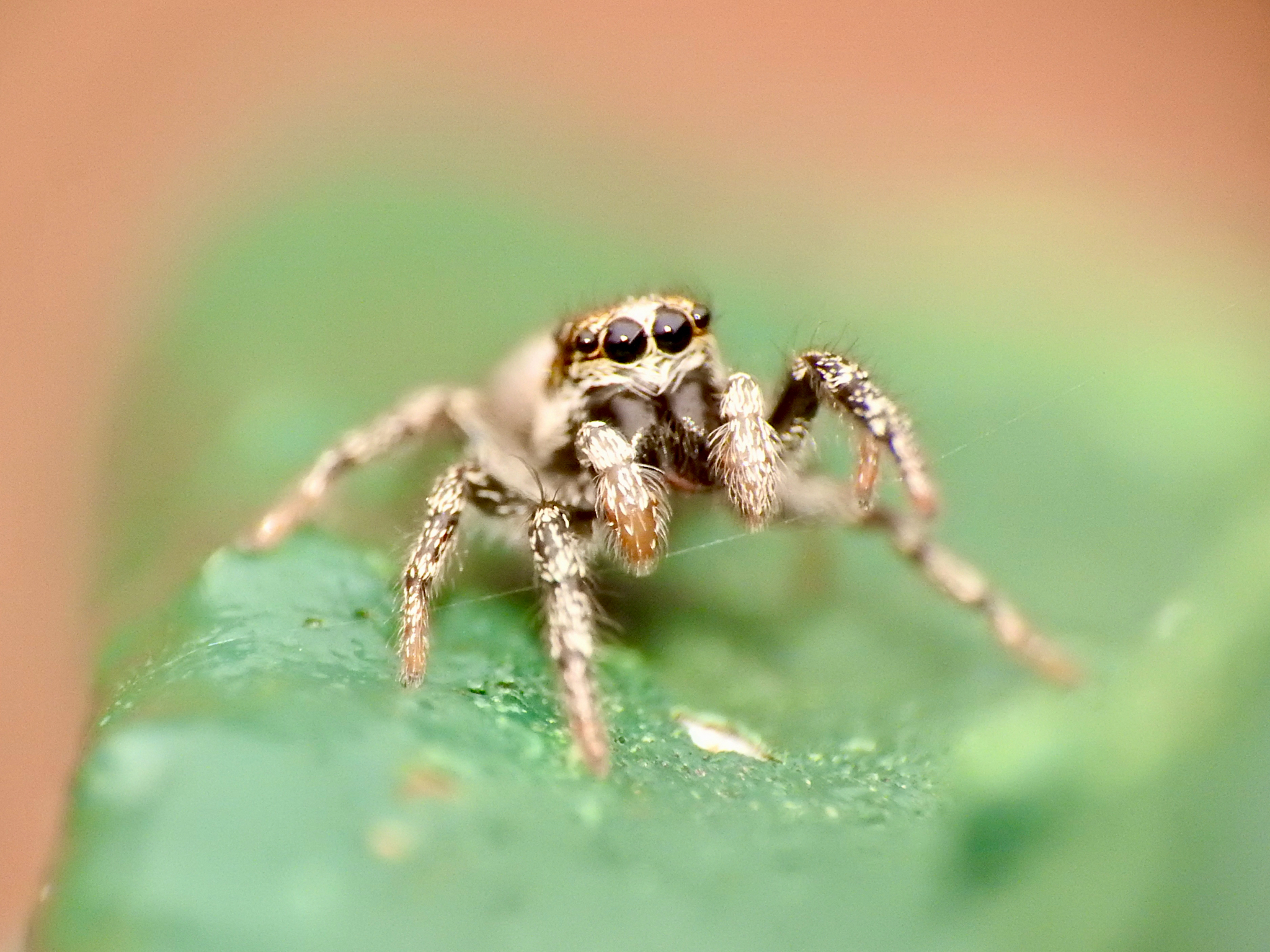
Pesky rabbits and jumping spiders
A reader asks:Why do rabbits eat plants in my garden but not my neighbor’s garden? Read more Four new films explore war, gender, and crime true and comedic This is an excellent question, but unfortunately there is not an easy answer. It could simply be that you grow plants that are more attractive to rabbits. […]

Regional politics will make climate change impact worse for Cambridge, Boston
As Cambridge and nearby communities brace for extreme heat and flooding, researcher and journalist Courtney Humphries argues that the region’s patchwork political landscape is a major obstacle to climate action. Her new book, “Climate Change and the Future of Boston” (Anthem Press), looks at the city’s 400-year-old history of development, and how that shapes the […]