
Less Space, Better Decisions: Starting a Smaller-Home Move in Las Vegas
A smaller home changes more than the amount of floor space you have available. Furniture placement becomes more deliberate, storage matters more, and belongings that once fit comfortably into spare rooms or a garage may suddenly need a new destination.
That does not mean downsizing has to feel like losing something. It can be an opportunity to simplify the household and create a home where the things you actually use have room to function. The key is to make those decisions before moving day rather than after the truck arrives.
Begin With the New Home
The best place to start is not the old house. Study the property you are moving into.
Measure bedrooms, living areas, closets, storage spaces, doorways, and other important access points. Compare those dimensions with larger furniture you currently own.
A six-seat dining table may have worked perfectly in a spacious kitchen, while a compact table could be more appropriate for the new layout.
Residential moving becomes easier when you know exactly what the destination can accommodate.
Create a Room-by-Room Plan
Decide which belongings have a clear purpose in each room. This prevents boxes from being packed simply because they are already there.
Think about how the new property will actually be used rather than trying to reproduce the previous home’s arrangement.
Sort by Value, Use, and Space
Downsizing requires more than asking whether something is useful.
Consider how often you use an item, whether you have alternatives, how difficult it would be to replace, and whether it deserves the limited space available in the new home.
Start with easy categories such as duplicate kitchenware, old clothing, outdated electronics, unused decorations, and furniture that no longer fits your lifestyle.
Deal With Large Items Early
Large possessions consume disproportionate amounts of space and are expensive to move unnecessarily.
Measure wardrobes, sofas, bookcases, desks, exercise equipment, and other substantial items. Decide their fate before you begin packing smaller belongings around them.
This also gives you time to sell, donate, recycle, or otherwise dispose of unwanted pieces.
Do Not Forget Hidden Storage
The garage, attic, shed, basement, and closets can contain a surprising percentage of a household’s possessions.
Set aside time specifically for these spaces. Seasonal decorations, tools, old documents, sporting equipment, and rarely used household items can accumulate without being noticed.
If the smaller property has less storage, decide where essential items will live before they arrive.
Pack According to the New Layout
Once your belongings have been edited, start packing based on destination.
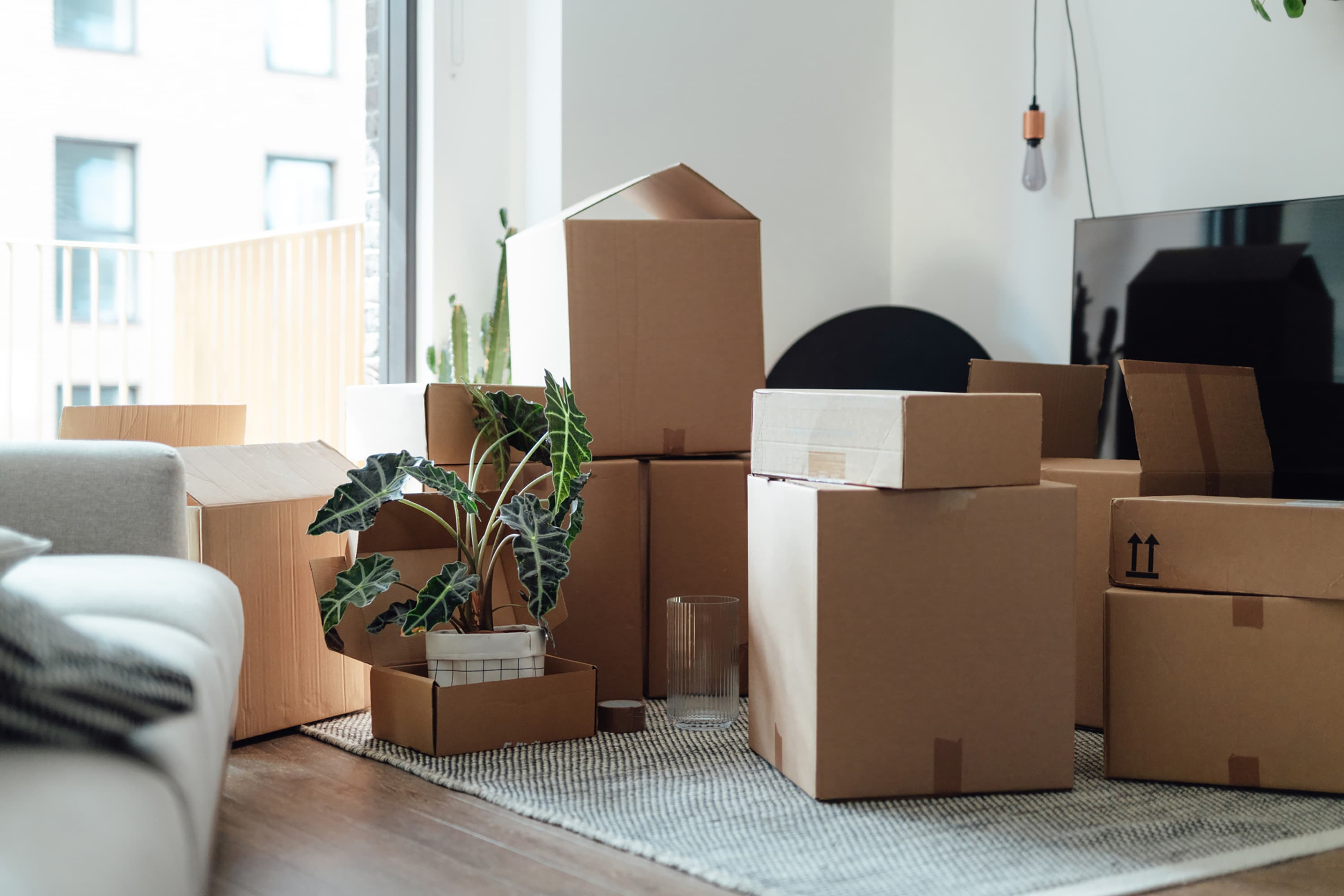
Clearly label boxes with the room where they belong. For a smaller home, this is particularly helpful because you do not want every box occupying the same hallway while you try to figure out where it should go.
Residential moving can be much more orderly when the unloading plan is established before the truck reaches the new property.
Keep an Essentials Collection
Set aside bedding, toiletries, chargers, basic kitchen supplies, important documents, medications, and a few changes of clothes.
Keep this collection separate from the main moving load so you can access it immediately.
Give the Moving Crew Useful Information
A smaller destination does not necessarily mean a simpler move. Tight rooms, narrow entrances, stairs, or limited parking can make furniture placement more complicated.
Tell the moving team about oversized pieces and access challenges before moving day.
If you are arranging professional assistance in the Las Vegas area, https://nevadamoverslv.com/ offers information about moving support that can be incorporated into your relocation plan.
Think About the Order of Arrival
Decide which furniture should enter first. Large pieces can be easier to place before smaller boxes begin filling the available floor space.
A little sequencing can prevent the new home from becoming crowded before the essential furniture is positioned.
Make Storage Work Harder
When floor space decreases, vertical and hidden storage become more valuable.
Consider shelving, under-bed containers, multifunctional furniture, and organized closet systems. Avoid buying large quantities of new storage products before moving in, however. Once you see how the new home functions, you may discover that you need less than expected.
Leave Room to Adjust
Your first furniture arrangement does not have to be permanent.
Live in the smaller home for a few days before making major purchases or reorganizing every room. You will quickly notice which areas feel crowded and which storage solutions actually work.
The transition can be easier when you focus on function rather than trying to make every possession fit.
Nevada Movers can support the physical side of getting your selected belongings to their new destination, while the most important downsizing work happens beforehand. By measuring first, reducing deliberately, and packing around the new home’s layout, residential moving becomes less about squeezing everything into smaller rooms and more about creating a space that suits the way you live now.
