Council shields women’s shelters from federal funding cuts
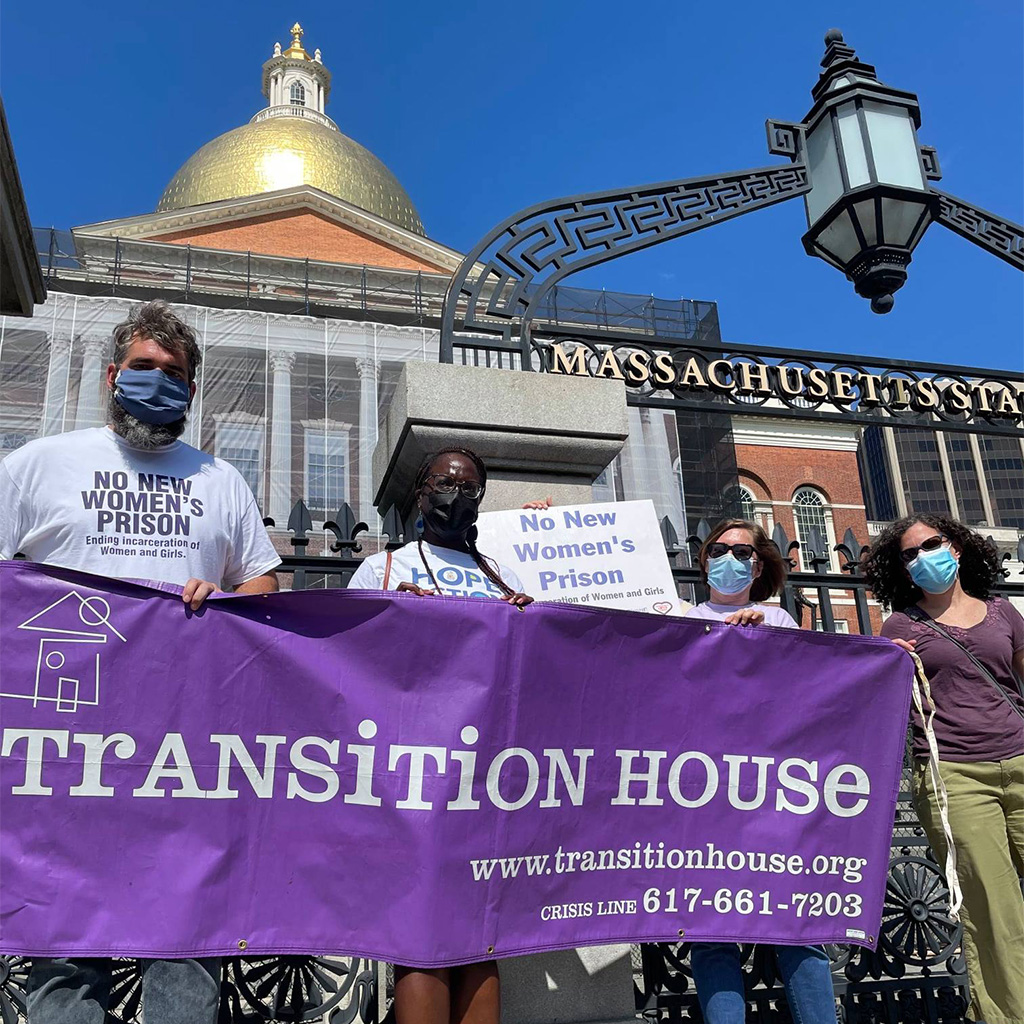
During its meeting Monday June 22, Cambridge City Council unanimously approved $625,000 in funds for local nonprofits that provide emergency housing and services for victims of sexual assault and domestic abuse. The nonprofits, which include Transition House in Central Square and the De Novo Center for Justice and Healing in East Cambridge, lost funding provided through the Massachusetts Office of Victim Assistance (MOVA) because of Trump administration cuts to federal dollars for state programs that provide services for victims of violent crime.
Read more Amigos School relocation will be “seriously considered”
Cambridge will tap its Federal Stabilization Fund, but councillors and city officials cautioned that the money will only temporarily address the budget crisis faced by these service providers. Those that serve the Cambridge area report receiving $1.7 million less than expected this year.
“A budget reduction on paper means fewer advocates available to accompany someone to court, it means fewer safe housing options for a parent fleeing abuse with their children, it means fewer opportunities for someone to rebuild their life after violence,” said Sarah Gyorog, executive director of Transition House, during public comment. “Violence does not stop because funding disappears. Survivors will still call us.”
The Federal Stabilization Fund was created last June with $5 million to cover anticipated reductions in federal money that has historically supported a variety of city and nonprofit services. The fund’s balance before the vote was $3.75 million. Its formation coincided with the closing of the Transition Wellness Center, a 58-bed homeless shelter funded by the American Rescue Plan Act (ARPA), last summer.
Advocates of unhoused people have raised concerns about mobilizing these funds for programs beside those to shelter the homeless, though. In particular, there are questions about whether money will be there to offset planned cuts by the Department of Housing and Urban Development (HUD) to emergency rent vouchers, which led Councillor Ayah Al-Zubi to use her charter right on the policy order accompanying the allocation when it first appeared on council’s agenda on June 8. (Al-Zubi was absent for Monday’s meeting.)
HUD announced in November 2025 a rule change that in Cambridge would eliminate $3.8 million in rental assistance for 128 formerly homeless households. The cuts targeted cities with diversity, equity and inclusion (DEI) programming or that participate in “gender ideology extremism.” Cambridge joined a lawsuit with about 75 other municipalities and counties nationwide to restore funding. In January, a judge issued a temporary injunction striking down the federal rule changes, which the Trump administration appealed. The case is working its way through the federal appellate system.
“We don’t have time on this”
Some advocates said they were under the impression that the stabilization fund was always intended to cover emergency housing vouchers.
Read more Majority of CARE responses not for mental health
“We were told that while the Transitional Wellness Center was going to close, funding for emergency supportive housing would continue to be allocated through other pathways,” said Stanislav Rivkin, who unsuccessfully ran for city council last year, during the public comment period. While he said that the services provided by MOVA funding are “essential,” “we should not go backwards in our commitment to emergency housing, and instead reallocate this money towards additional vouchers, shelter support, or similar assistance.”
But Mayor Sumbul Siddiqui, the policy order’s lead sponsor, said the types of cuts that MOVA-recipient programs are facing are exactly why the Federal Stabilization Fund was put in place.
“This is something that we should be funding. We don’t know what the future holds with the many other funding losses that may occur, and the sole purpose of this [fund] was to use [it] in this way,” Siddiqui said. She said that this wasn’t a matter of competing priorities, but rather “taking things as they come.”
Councillor Marc McGovern, a co-sponsor of the policy order and a longtime leader on issues related to homelessness, said he was “confident we will figure something out” if Cambridge loses its emergency voucher funding. But while the fate of those federal dollars continues to be considered by the courts, local domestic violence shelters were looking at laying off their staff in as soon as in two weeks.
“As someone who advocated strongly for that money going towards vouchers, I’m certainly not going to let that disappear easily,” McGovern said. “But we have time on that. We don’t have time on this.”
Read more CRLS will see 14 athlete alumni play college sports
